

A healthy smile relies on more than bright teeth. Beneath the enamel lies a framework of soft tissue and bone. This foundation anchors your teeth into your jaw. When infection strikes this area, general dental care may fall short. Specialized care quickly becomes vital to stop tooth loss. Knowing your treatment options helps protect your oral health for life.
What Is a Periodontist?
A periodontist is a dentist who prevents, diagnoses, and treats gum disease. They also place and maintain dental implants. While general dentists manage broad oral care, this specialist focuses on the periodontium. Four vital structures support your teeth: gums, periodontal ligaments, root cementum, and alveolar bone.
Earning this title takes years of rigorous study. Candidates first finish a standard four-year dental degree. After that, a periodontist completes three extra years in an accredited residency. During this training, they master surgical micro-techniques, tissue regeneration, bone grafting, and IV sedation. Many also pass strict exams to earn board certification through the American Board of Periodontology.
Periodontist vs Dentist vs Orthodontist: Who Should You See?
Dental specialties can easily confuse patients. These professionals work together closely, but each has a distinct focus:
-
General Dentist: Your primary provider for routine care. They clean teeth, fill cavities, place crowns, and check overall health.
-
Periodontist: The specialist you visit for swollen gums, tissue recession, bone loss, or surgical tooth replacement.
-
Orthodontist: A specialist who straightens teeth and fixes bad bites using braces or clear aligners.
Can you start orthodontic care with active gum disease? The answer is no. Moving teeth through infected tissue or weak bone speeds up bone loss. In these cases, an orthodontist halts treatment and refers the patient out. Once tissues heal, orthodontic work can safely resume.
Do you need a referral to see a periodontist? Usually, a general dentist refers you when regular cleanings cannot shrink deep pockets. Even so, many practices accept direct bookings without an outside referral.
Stages of Gum Disease: Can Periodontitis Be Reversed?
Gum disease progresses through distinct phases:
-
Gingivitis: The earliest stage brings red, puffy gums that bleed during brushing. Surface plaque causes this issue. Diligent home care and professional cleanings reverse it completely.
-
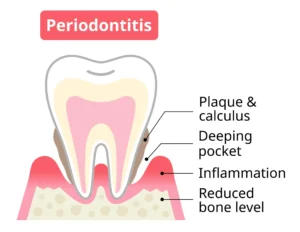
Slight to Moderate Periodontitis: Untreated bacteria slip below the gumline. Bacterial toxins destroy connective tissues and bone, creating deep pockets.
-
Severe Periodontitis: Advanced infection causes massive bone loss, exposed roots, loose teeth, and eventual extractions.
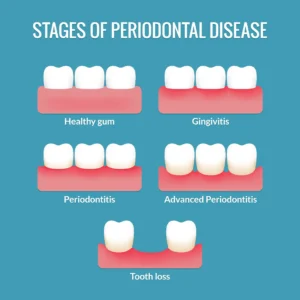
Can you reverse advanced periodontal disease? Early gingivitis is curable, but periodontitis causes permanent bone loss. Your body cannot rebuild that lost bone naturally. Fortunately, an expert clinician can halt the infection and protect remaining structures. Patients then begin ongoing periodontal maintenance with cleanings every three to four months to block bacteria.
Top Warning Signs You Need to See a Gum Specialist
Gum issues often develop quietly. Severe damage can occur before you feel pain. Watch for these common warning signs:
-
Bleeding gums during hygiene routines: Healthy gums do not bleed easily. Pink in the sink signals active infection.
-
Puffy or red gums: Swollen tissues show that bacteria irritate the area below the gumline.
-
Receding gum line: Teeth that look longer indicate progressive tissue loss.
-
Chronic bad breath: Odors that mouthwash cannot fix often stem from bacteria hidden deep under the gums.
-
Painful chewing or shifting teeth: Discomfort while chewing or loose teeth point to weak bone support.
Common Periodontal Procedures: Non-Surgical and Surgical
Care teams choose therapies based on infection depth.
Non-Surgical Treatments
Clinicians start with conservative methods for mild to moderate infections:
-
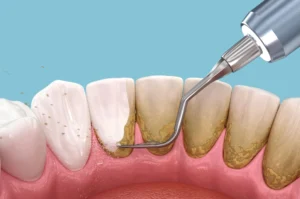
Scaling and Root Planing: Patients often call this procedure a deep dental cleaning. The hygienist numbs the area with local anesthesia. Next, special tools clear plaque from beneath the gums and smooth root surfaces.
-
Antimicrobial Therapy: Clinicians place localized antibiotic powders inside deep pockets to clear lingering bacteria.
Advanced Surgical Procedures
When pockets stay deeper than four millimeters, patients need surgical care:
-
Pocket Reduction (Flap Surgery): The doctor folds back gum tissue, removes deep tartar, reshapes uneven bone, and stitches the gums shut.
-
Soft Tissue Gum Grafts: To fix severe recession, clinicians graft donor tissue onto exposed roots. This shields the tooth and improves smile aesthetics.
-
Dental Bone Grafts: If infection damages the jaw, a bone graft jumpstarts new bone growth.
-
LANAP Laser Therapy: Many clinics provide LANAP as a gentle alternative to standard surgery. The laser targets infected areas without scalpels. Patients experience less bleeding, lower pain levels, and faster healing.
-
Dental Implants and Cosmetic Enhancements: When a tooth fails, specialists place dental implants into the jawbone. They also perform crown lengthening to fix gummy smiles.
To ensure comfort during surgery, clinics offer multiple sedation dentistry choices, including nitrous oxide, oral pills, and IV sedation.
The Mouth-Body Connection: Periodontal Health and Systemic Disease
Treating gum disease protects your whole body. Chronic periodontitis acts like an open wound, sending bacteria into your bloodstream.
Studies connect gum disease to several serious systemic conditions:
-
Heart Disease: Circulating bacteria inflame blood vessels and raise heart attack risks.
-
Diabetes: Gum disease and diabetes share a strong link. High blood sugar feeds oral bacteria, while infected gums make blood sugar harder to control.
-
Pregnancy Risks: Active infections raise the chances of low birth weights and early deliveries.
-
Lung Issues: Inhaling oral bacteria can worsen COPD or trigger pneumonia.
Treating mouth infections lowers overall strain on your immune system.
What to Expect During Your First Periodontal Visit
Your first visit should feel clear and calm. During this appointment, the clinician will:
-
Review Medical History: Check underlying conditions, daily medications, and habits like smoking.
-
Perform Periodontal Charting: Use a small probe to measure pocket depths around every tooth. Depths above three millimeters need attention.
-
Check Digital Scans: Review 3D scans or X-rays to assess bone strength.
-
Build a Treatment Plan: Explain diagnosis details, present therapy options, and set a treatment schedule.
Periodontal Costs, Insurance, and Recovery Timelines
Understanding costs and healing periods helps you plan ahead.
Costs and Insurance Considerations
Total prices vary based on procedure complexity and infection severity. Deep cleanings cost several hundred dollars per quadrant. Surgical solutions like gum grafts, bone grafts, or dental implants require larger investments.
Most dental plans cover deep cleanings (code D4341) and vital pocket surgeries as basic medical necessities. Routine maintenance visits (code D4910) usually receive coverage as well. Plans generally exclude purely cosmetic treatments like smile lifts. Most offices offer payment plans, third-party medical loans, and FSA or HSA billing options.
Healing and Aftercare
Recovery speed depends directly on the procedure:
-
After Deep Cleanings: Mild soreness fades within one or two days.
-
After Gum or Bone Grafts: Initial soft tissue recovery takes seven to fourteen days. Eat soft foods like eggs, yogurt, and cool soups. Avoid spicy or hard foods that might tear healing tissue.
Careful oral hygiene, zero tobacco use, and prompt post-op checkups guarantee lasting recovery.
