
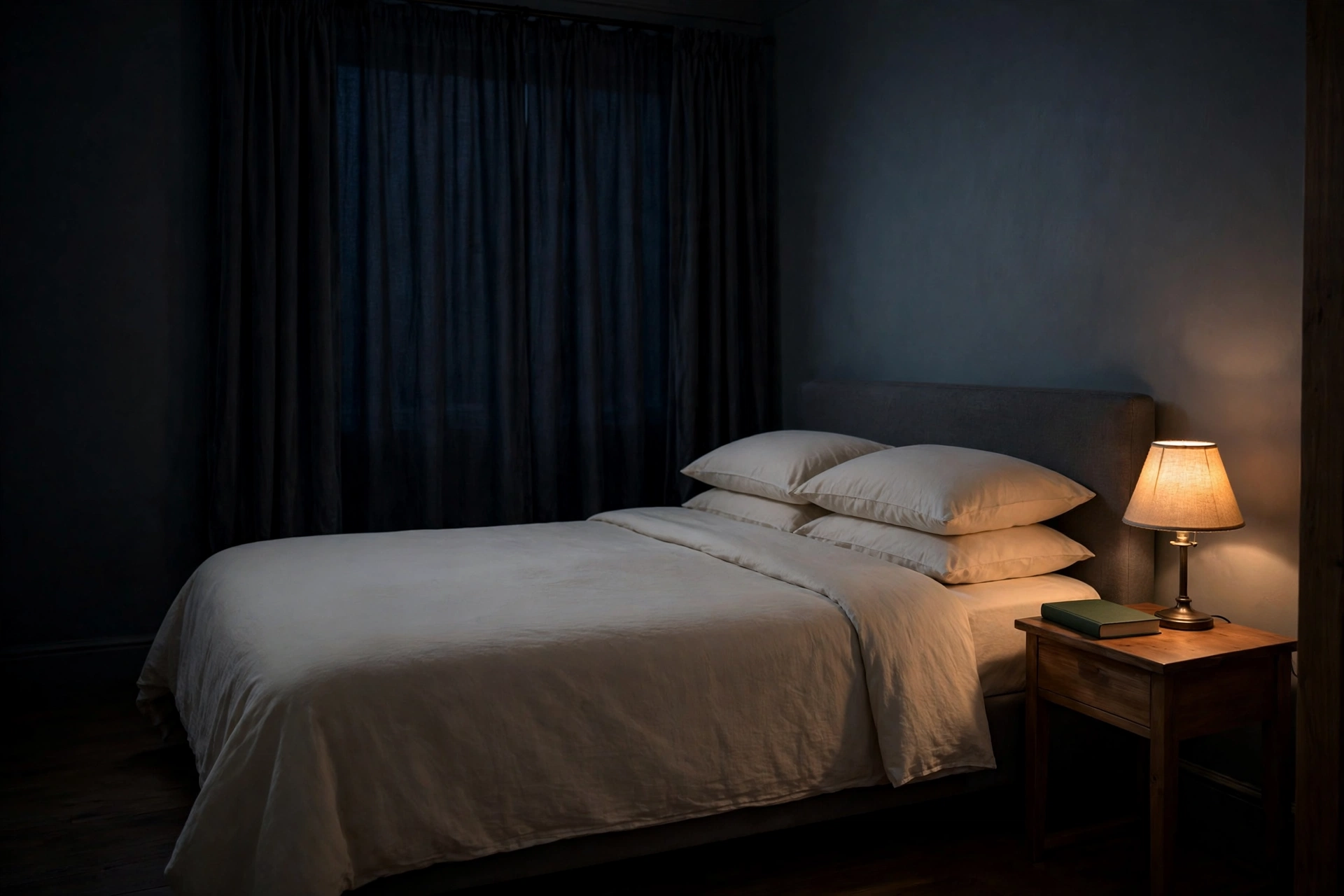
If you lie awake long after lights-out, learning how to sleep better at night can change how your whole day feels. This guide gives you a plain, practical plan: a calm evening routine, ways to quiet a busy mind, and daytime habits that make sleep come more easily. It also explains common sleep problems in general terms, and when to speak to a GP.
You do not need gadgets or a perfect routine. Small, steady changes help you sleep better, and most of them cost nothing. Try one or two ideas this week and keep the ones that help.
Why Is It Important to Sleep?
While you sleep, your brain files away the day, steadies your mood and helps your body repair itself. A good night also sharpens focus and memory for the day ahead. That is why a run of short nights leaves you foggy, short-tempered and slow to think.
Most adults need between seven and nine hours a night, though the exact amount varies a little from person to person. The simplest check is how you feel on waking: rested and alert through the day means you likely slept enough. If you drag through most afternoons, your sleep probably needs attention.
What Is REM Sleep?
REM means rapid eye movement, the stage of sleep where most dreaming happens. Your eyes dart about under closed lids, your brain stays busy, and your body stays still.
REM returns several times across the night, with the longest stretches near morning. A broken night cuts those stretches short, which is one reason you can wake up groggy.
How to Sleep Better at Night: A Simple Evening Routine
Good sleep starts before bed. A steady routine tells your body that the day is ending, and it helps you sleep better without trying hard.
First, go to bed and rise at the same times each day, weekends included. A fixed wake time matters most. Second, build a wind-down hour. Lower the lights, switch screens off, and pick something calm — a book, gentle stretching, or a warm bath.
Third, make the room dark, cool and quiet. Heavy curtains or an eye mask block light, and earplugs can mask street sounds. Keep the bedroom for sleep, not work.
Finally, park your worries on paper. Jot tomorrow’s jobs on a notepad and leave them until morning.
How to Sleep Better at Night When Your Mind Will Not Switch Off
People often ask how can you fall asleep fast. Start with slow breathing after you lie down. Draw air in through your nose for a slow count of five. Breathe out through your mouth for a slow count of seven. Repeat it for a few minutes.
A method of relaxation that helps many people is progressive muscle relaxation. Tense each muscle group for a few seconds, then release it and notice the difference. Work upward from your feet, and your body will feel heavier and calmer.
If sleep still has not come after around 20 minutes of lying awake, leave the bed. Do something quiet in dim light until sleepy, then return to bed. That loosens the tie between bed and fretting. These two steps help you sleep better on restless nights.
If pressure is what keeps you awake at night, our stress guide sets out small daily habits that can ease it.
How to Improve Sleep Quality in the Daytime
Sleep quality depends on the day as much as the night.
Get outside in daylight, ideally in the morning. Daylight sets your body clock. Move your body every day. A brisk walk counts. Keep hard exercise to earlier in the day, not the last hour before bed. Move more during the day and you will sleep better at night.
Stop caffeine by early afternoon, and go easy on alcohol in the evening. Alcohol may make you drowsy at first, yet it disturbs sleep in the small hours. Eat your last big meal a few hours before bed.
A short nap can help if you are very tired. Keep it to 20 minutes or less. Finish it well before evening, so it does not steal sleep from the night.
Is 6 Hours Sleep Enough?
For most adults, six hours falls short. Health guidance points to seven to nine hours a night, and six hours leaves a sleep debt that builds across the week. One short night is fine; a week of them is not.
If you sleep six hours most nights and feel tired, add sleep in small steps. Move bedtime 15 minutes earlier for a few nights, then another 15. If you still sleep far less than seven hours, speak to a GP.
How to Sleep Better at Night After Waking at 3 AM
Waking up 3 am, night after night, is common. Stress, noise, heat or a full bladder can all play a part. First, stay calm. Watching the clock only adds pressure, so turn it away and keep the room dark. Staying calm helps more than counting lost hours, and it helps you sleep better the next night too.
If you feel wide awake, do not reach for your phone. Bright screens wake the brain up further. Instead, try slow breathing or a quiet read in dim light.
If it keeps happening most nights for weeks, keep a short sleep diary. Note when you went to bed, when you woke, and how rested you felt. Take it to your GP if the pattern does not improve.
How to Fight Snoring — and How to Sleep on Your Back
How to fight snoring starts with simple changes. Side sleeping often quiets snoring, because it keeps the tongue forward and the airway open, and many people sleep better that way. A stuffy nose makes snoring worse.
Loud snoring with pauses in breathing is different from plain snoring. If the person beside you hears pauses in your breathing, or you wake gasping, speak to a GP. That pattern can point to sleep apnoea, which needs proper assessment.
How to sleep on your back needs a little practice when you usually sleep on your side. Use a flatter pillow and a small cushion under your knees. Some find it eases neck pain, while others snore more on their backs. Give it a few nights, then judge how you feel — side sleeping is fine too.
Common Sleep Problems in Brief
Most sleep trouble is short-lived and linked to stress or routine. A few problems need more attention — general information only, not a diagnosis.
Insomnia sleeping disorders mean trouble falling asleep or staying asleep, or waking too early, even when you have time to rest. Short spells often follow stress or illness. When it lasts for weeks and affects daily life, a GP can talk through options.
CBT-I is short for cognitive behavioural therapy for insomnia. It is a talking therapy that rebuilds sleep habits and works on the thoughts that stop you sleeping. A GP can discuss it with you and explain how to access it.
Sleep apnea symptoms cover loud snoring, breathing pauses, gasping at night and heavy daytime tiredness. The person beside you often hears the night signs first. If these sound familiar, see your GP — a sleep study can confirm what is going on. A diagnosis can also affect driving, so ask your GP what the rules say.
Narcolepsy symptoms look different from ordinary tiredness. People feel overwhelmingly sleepy in the day and may drop off without warning, even mid-task. Some also feel sudden muscle weakness when they laugh. These signs need a GP assessment, as narcolepsy is a long-term condition.
Sleep Paralysis and Sleep Deprivation
What is the cause of sleeping paralysis? It happens when the mind wakes before the body does. During dreaming sleep, the body stays still so you cannot act out dreams; waking in that stage can leave you unable to move for a few seconds. It often feels frightening, but it usually passes quickly. Regular sleep times and side sleeping can lower the odds.
Sleep deprivation symptoms build up when nights stay short: heavy tiredness, poor focus, low mood, morning headaches and a short temper. Steady sleep hours are the fix, and a GP visit makes sense if the pattern lasts weeks.
When to See Your GP
See your GP if sleep problems last more than a few weeks, or if they affect your work, mood or relationships. Book sooner if you stop breathing or gasp in your sleep, if sleepiness affects your driving, or if you fall asleep suddenly in the day.
Your GP may talk through your sleep pattern and look for other causes, such as pain or low mood. They may suggest a sleep diary or a sleep study.
If you need advice quickly, call NHS 111. In an emergency, call 999. If you feel unsafe, call Samaritans. It is free on 116 123, any time of day or night.
Frequently Asked Questions About How to Sleep Better at Night
How do I drift off fast when my mind races?
Slow your breathing in bed and relax each muscle group in turn. If sleep has not come after a while, leave the bed for a quiet activity in dim light.
Is 6 hours sleep enough?
Most adults need more than six hours. Build up to seven or nine hours by moving bedtime earlier in small steps.
What is REM sleep?
REM is the dreaming stage of sleep. Your eyes move quickly, your brain stays busy and your body stays still. It returns several times a night, with the longest stretches near morning.
Why do I keep waking up at 3 am?
A warm room, noise, stress or needing the toilet are usual causes. Keep the bedroom cool and dark and leave your phone alone.
How to sleep on your back?
Use a flatter pillow under your head and a small cushion under your knees. Allow a few nights to get used to it; it does not suit everyone.
Better sleep rarely comes from one big change. It comes from small, steady habits that help you sleep better night after night. Keep the same times and a calm hour before bed, add daylight and movement in the day, and keep the room cool and dark. Try the steps that fit your life, and speak to your GP if sleep still will not come.
This guide shares general information only. It cannot diagnose you, and it is no substitute for medical advice. If a sleep problem worries you, your GP is the right first step.
