
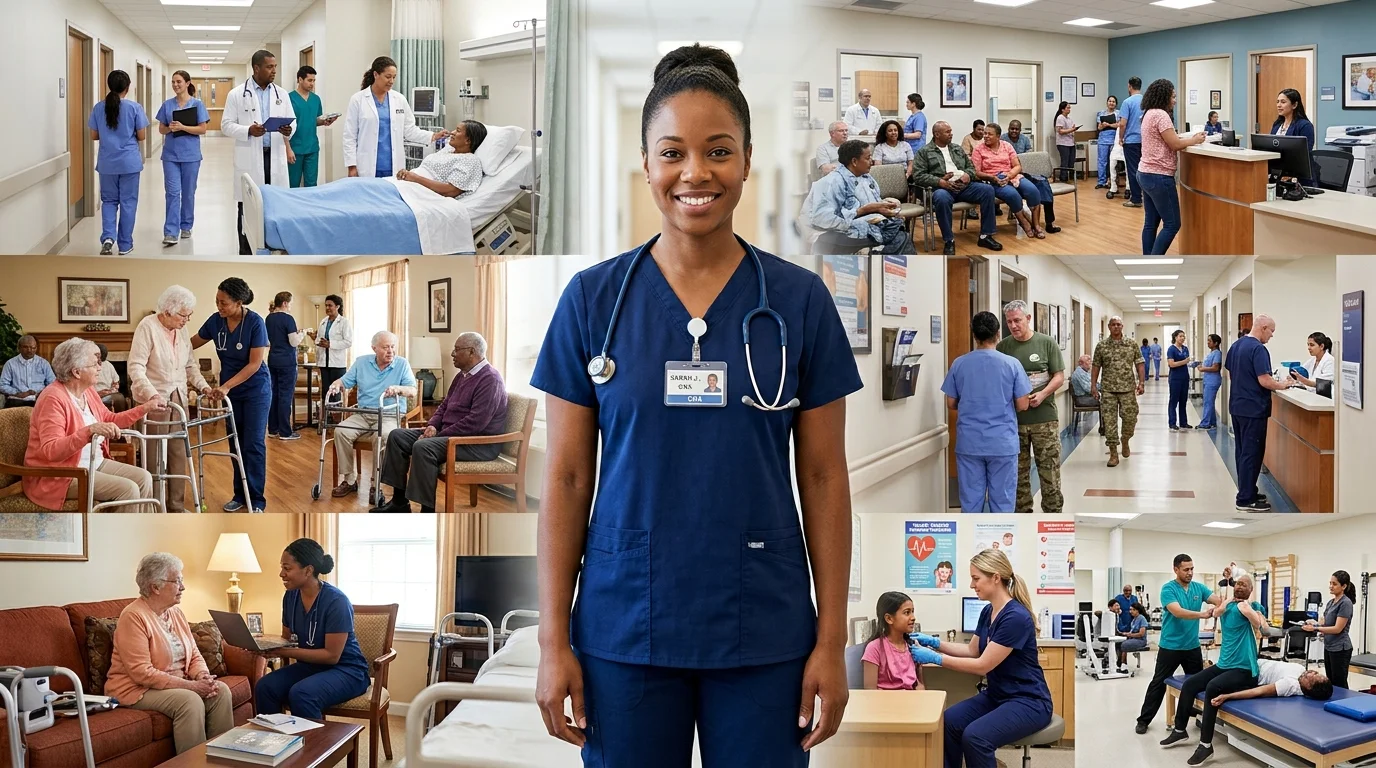
When people ask, where do cnas work, the immediate thought is almost always a nursing home. While long-term care facilities employ a significant portion of certified nursing assistants, the reality is that certified nursing assistant workplaces stretch across every branch of modern medicine.
Whether you thrive in fast-paced acute care units, prefer the one-on-one environment of home healthcare, or want the high salary potential of government facilities, your CNA skills open doors to dozens of unique work settings. Knowing what to expect regarding patient load, physical demands, and annual pay will help you find the right fit for your career goals.
Quick Breakdown: Where Do CNAs Work?
-
Skilled Nursing Facilities & Nursing Homes (37% of CNAs)
-
Hospitals & Acute Care Units (27% of CNAs)
-
Assisted Living Communities (11% of CNAs)
-
Home Health Care & Hospice Agencies (5% of CNAs)
-
Government, VA Hospitals & Schools (4% of CNAs)
-
Outpatient Clinics, Dialysis & Urgent Care (3% of CNAs)
Quick Comparison: CNA Workplaces at a Glance
Choosing where to practice comes down to balancing pay against workload and schedule structure. Here is how the most common cna job settings stack up based on average metrics:
| Work Setting Type | Average Annual Salary | Average Patient Ratio | Work Pace | Physical Demand Level |
| Outpatient Clinics | $46,500 – $48,500 | 1:1 to 1:5 | Fast (steady flow) | Low to Moderate |
| Government & VA Hospitals | $47,000 – $54,000 | 1:6 to 1:10 | Moderate | Moderate |
| Hospitals (Med-Surg / ER) | $48,500 – $56,000 | 1:8 to 1:12 | Very Fast | High |
| Skilled Nursing Facilities | $40,500 – $46,000 | 1:15 to 1:30 | Fast | Very High |
| Assisted Living Facilities | $38,000 – $44,000 | 1:10 to 1:20 | Moderate | Moderate |
| Home Health Care | $41,000 – $49,500 | 1:1 (Direct Care) | Slower | Moderate |
Decision Guide: Choosing a CNA Setting Based on Your Goals
Every certified nursing assistant values different workplace perks. Matching your personal priorities to the right clinical setting helps prevent burnout early in your career.
Best Workplaces for Highest Pay & Federal Benefits
If maximizing your income is your primary driver, aim for government cna jobs, federal executive branch positions, or outpatient surgical centers. Roles within Veterans Affairs (VA) health systems, state psychiatric facilities, and federal correctional facilities offer competitive base pay alongside pension plans, tuition reimbursement, and generous health coverage.
Best Workplaces for Low Physical Demands & Work-Life Balance
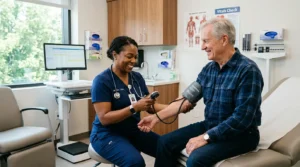
For those seeking lower physical wear and tear, physician offices, specialty outpatient clinics, and adult daycare facilities are ideal. These settings involve less heavy lifting, fewer bed transfers, and standard daytime hours without weekend overnight shifts.
Best Workplaces for Shift Flexibility & Per Diem Opportunities
Working through travel cna agencies or accepting cna per diem jobs gives you total control over your calendar. Home health care agencies also offer independent scheduling options, making these settings perfect for individuals balancing family commitments.
Best Workplaces for Aspiring RNs (CNA-to-RN Career Ladder)
Hospital units such as medical-surgical, intensive care, or emergency departments provide invaluable clinical exposure for nursing students. Working alongside registered nurses allows you to master charting, observe complex procedures, and build professional networks while completing your nursing degree.
Traditional CNA Work Environments
These four foundational settings employ the majority of active nursing assistants across the country.
1. Nursing Homes & Skilled Nursing Facilities (SNFs)
Skilled nursing facility cna roles represent the most traditional employment path. CNAs in long term care provide direct daily care, assisting elderly residents with activities of daily living (ADLs) such as bathing, dressing, meal consumption, and mobility support. Because residents stay for extended periods, you build strong personal relationships, though workload ratios can be demanding during busy morning shifts.
2. Hospitals & Acute Care Units
Many prospective healthcare workers ask, where can a cna work in a hospital? Hospital settings offer diverse specialization options:
-
Medical-Surgical (Med-Surg): Assisting surgical recovery patients with vital signs, hygiene, and mobility transfers.
-
Emergency Department (ED/ER): Answering urgent calls, stocking trauma bays, assisting nurses with wound cleaning, and monitoring incoming patients.
-
Intensive Care Unit (ICU): Supporting nurses with turning bedridden patients, tracking fluid intake, and managing hygiene care.
-
Pediatrics & Mother-Baby / Labor & Delivery: Assisting new mothers, taking newborn vital signs, and supporting pediatric patients.
3. Assisted Living Facilities & Senior Living Communities
Unlike skilled nursing, assisted living residents maintain a higher level of personal independence. CNAs focus on light supervision, medication reminders, escorting residents to social events, and assisting with light personal grooming. The work environment feels more home-like and tends to move at a manageable pace.
4. Home Health Care Agencies & In-Home Patient Support
A home health cna works independently inside a patient’s personal residence. Duties include preparing meals, administering basic personal care, checking vital signs, and offering companionship. This setting appeals to caregivers who enjoy focused, one-on-one attention without the noise of a busy facility ward.
Specialized & Unexpected Places CNAs Can Work
Beyond traditional settings, there are numerous specialized avenues where certified nursing assistants deliver crucial clinical support.
5. Outpatient Clinics, Dialysis Centers & Urgent Care
Outpatient settings cater to individuals who do not require overnight hospital stays. In an urgent care or dialysis clinic, CNAs clean exam rooms, take blood pressure and pulse readings during patient intake, and assist medical staff during routine outpatient procedures.
6. Hospice Care & Palliative Care Facilities
A hospice CNA delivers end-of-life care focused on maintaining maximum patient comfort, dignity, and pain relief. Beyond basic hygiene and positioning, hospice nursing assistants offer vital emotional support to families navigating difficult life transitions.
7. Government Agencies, VA Hospitals & Correctional Facilities
Public sector employment offers exceptional job stability. CNAs in correctional facilities work alongside prison healthcare staff to deliver daily medical care to inmates. Similarly, military hospitals and VA medical centers hire CNAs to support veterans across acute and rehabilitative settings.
8. K-12 Public Schools, Universities & Special Needs Programs
School-based CNAs work alongside licensed school nurses. They care for students with chronic conditions, manage basic first aid needs, assist special needs students with physical mobility throughout the school day, and ensure daily medication schedules are safely met.
9. Rehabilitation Centers & Post-Acute Recovery
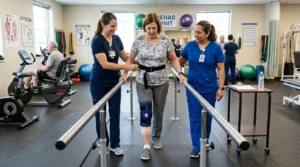
Post-acute rehabilitation facilities cater to individuals recovering from joint replacements, stroke events, or traumatic injuries. CNAs collaborate directly with physical therapists to encourage patient mobility, transfer techniques, and strength-building routines.

Flexible, Non-Traditional & Remote CNA Work Models
Modern healthcare scheduling options allow nursing assistants to step away from traditional 8-hour or 12-hour facility employment.
Per Diem Shifts & Travel CNA Agencies
Per diem shift apps and travel agencies allow nursing assistants to pick up open shifts at local facilities on demand. Travel CNAs take short term contracts (typically 8 to 13 weeks) in locations facing severe staffing shortages, earning higher base wages and housing stipends.
Remote Roles: Telehealth Virtual Monitoring & Unit Coordinators
While hands-on care requires physical presence, some health systems employ CNAs as virtual patient observation technicians. These remote cna roles involve monitoring live video feeds of high-risk hospital patients to prevent falls and alert floor nurses when assistance is required.
Private Duty Caregiving for High-Net-Worth Clients
Private duty CNAs are hired directly by families to deliver exclusive, round the clock personal care. These positions often offer higher hourly compensation and flexible living or travel arrangements.
Where Do CNAs Make the Most Money?
Salaries for certified nursing assistants vary depending on geographic region, facility funding, and specialized clinical skills.
Top Paying CNA Environments (Annual Average)
-
General Acute Care Hospitals: $48,500 – $56,000
-
Federal Executive Branch / VA Facilities: $47,000 – $54,000
-
Outpatient Care Centers: $46,500 – $48,500
-
Rehabilitation Facilities: $42,000 – $48,000
-
Skilled Nursing Facilities: $40,500 – $46,000
High-Paying States & Geographic Pay Variations
Geographic location plays a massive role in overall earning power. States with high costs of living and strong healthcare funding offer the highest average annual pay for CNAs, led by:
-
Washington: ~$47,200 / year
-
New York: ~$45,600 / year
-
Massachusetts: ~$45,500 / year
-
Alaska: ~$44,900 / year
-
California: ~$41,200 / year
Workplace Reality Check: Patient Ratios, Workload & Burnout
Understanding the daily pressures of each work environment is essential for long-term professional retention.
Workplace Stress Profile Breakdown
-
Skilled Nursing Facilities: High physical demand, higher patient ratios (15-30 patients/CNA)
-
Hospital Emergency Rooms: High emotional stress, fast-paced setting, unpredictable intake
-
Outpatient Specialty Clinics: Low physical demand, predictable hours, lower stress levels
-
Home Health Care: Low physical pace, low patient ratio (1:1), travel time required
CNA-to-Patient Ratios: Hospital Units vs. Long-Term Care
In a hospital setting, a med-surg CNA typically oversees 8 to 12 patients per shift. In contrast, a skilled nursing facility CNA may be assigned 15 to 30 residents during day or evening hours. Higher patient ratios increase physical workloads, making time management a critical skill.
Physical Demands vs. Emotional Stress Across Settings
SNF and rehab roles carry high physical demands due to continuous lifting, repositioning, and transferring of bedridden patients. Conversely, hospice and emergency room environments carry higher emotional stress due to critical conditions and end-of-life care realities.
Practical Guide: How to Transition Between CNA Work Settings
If you are looking to change settings, tailoring your approach makes the transition smooth.
Moving from Long-Term Care to Acute Hospital Care
Hospitals seek candidates with strong vital sign accuracy and rapid patient assessment skills. When applying for hospital roles, highlight experience handling multi-patient workloads, electronic health record (EHR) charting, and emergency responsiveness.
Transitioning to Flexible Per Diem or Agency Nursing
Moving into per diem or travel work requires adaptability and confidence in your clinical foundation. Because orientation in new facilities can be brief, focus on sharpening core personal care skills and building strong communication routines with shift charge nurses.
FAQs
Where can a CNA work besides a nursing home?
CNAs work across many settings outside nursing homes, including general hospitals, outpatient medical clinics, home health agencies, hospice facilities, public K-12 schools, urgent care centers, dialysis centers, and VA medical facilities.
What is the easiest or least stressful place to work as a CNA?
Outpatient physician offices, specialty clinics, and adult daycare centers are widely considered the least stressful CNA environments. These settings offer structured daytime schedules, lower physical demands, and consistent patient flow without overnight shifts.
Can a CNA work in an emergency room or with newborns?
Yes. CNAs can work in emergency departments helping nurses with vital checks, patient transport, and room prep. CNAs can also work in labor and delivery or mother-baby units, supporting care teams with infant care, hygiene, and monitoring new mothers.
Can a CNA work remotely or from home?
While direct patient care requires physical presence, limited non-clinical and virtual positions exist. CNAs can work as remote virtual patient observers, telehealth monitoring assistants, or medical intake coordinators within larger health systems.
How does a CNA role differ from a Medical Assistant (MA)?
CNAs focus primarily on direct personal care, hygiene assistance, mobility, and vital sign monitoring under nursing supervision. Medical Assistants (MAs) focus more on administrative clinical tasks in doctors’ offices, such as scheduling, drawing blood, and prepping exam rooms.
