

Vitamin D plays an essential role in maintaining strong bones, supporting muscle function, and helping the immune system work properly. However, many people around the world suffer from vitamin D deficiency without even realizing it. A vitamin d injection is often recommended for individuals with severe deficiency, low energy levels, poor nutrient absorption, or ongoing fatigue linked to low vitamin D levels.
A vitamin d injection is often recommended for people with severe deficiency or those who struggle to absorb oral supplements effectively. These injections are designed to restore healthy vitamin D blood levels more quickly than tablets or capsules in some cases. Many adults seek injectable vitamin D therapy to improve fatigue, bone pain, muscle weakness, and overall wellness.
Although vitamin D shots can be beneficial, they are not suitable for everyone. Understanding the correct dosage, possible side effects, and safety precautions is important before starting treatment. This guide explains everything you need to know about vitamin D injections in a simple and easy to understand way.
What Is a Vitamin D Injection?
A vitamin D injection is a medical treatment used to increase vitamin D levels in the body through an intramuscular injection. These injections usually contain vitamin D3, also known as cholecalciferol, which is the form most commonly produced by sunlight exposure.
Unlike oral vitamin D supplements, injectable vitamin D is administered directly into the muscle. This allows the vitamin to gradually enter the bloodstream over time. Doctors often recommend vitamin D injections for adults with severe vitamin D deficiency, poor nutrient absorption, or long-term fatigue linked to low vitamin D levels. Vitamin D2 and vitamin D3 are the two main forms used in supplementation therapy. However, vitamin D3 injections are typically preferred because they may raise blood serum levels more effectively.
Some people confuse injectable vitamin D therapy with IV vitamin therapy. While both methods involve nutrients, IV therapy delivers vitamins directly into the bloodstream through a vein, whereas intramuscular vitamin D injections release nutrients more slowly from the muscle tissue.
Why Vitamin D Is Important for the Body
Vitamin D is a fat-soluble vitamin that helps regulate calcium metabolism and supports several important bodily functions. Without adequate vitamin D, the body cannot absorb calcium properly, which can weaken bones and increase the risk of fractures.
Healthy vitamin D levels support:
- Bone mineral density
- Skeletal health
- Muscle strength
- Immune system support
- Nerve function
- Healthy inflammation response
Low vitamin D levels can contribute to osteomalacia, osteoporosis, chronic fatigue, and muscle aches. In severe cases, deficiency may affect mobility and overall quality of life.

People who spend little time outdoors or live in areas with limited sunlight exposure are often at greater risk of deficiency treatment needs.
Signs and Symptoms of Vitamin D Deficiency
Vitamin D deficiency symptoms can develop slowly and may sometimes go unnoticed. Many people assume their symptoms are caused by stress or aging when low vitamin D may actually be the underlying issue.
Common symptoms include:
- Persistent fatigue
- Muscle weakness
- Bone pain
- Low energy levels
- Hair thinning
- Frequent illness
- Joint discomfort
- Mood changes
Silent vitamin D deficiency symptoms are also common. Some individuals may not experience any obvious warning signs until blood tests reveal low vitamin D levels. People with severe vitamin D deficiency often report muscle pain, reduced stamina, and difficulty recovering after physical activity.
Who May Need Vitamin D Injections?
Doctors may recommend vitamin D deficiency injection therapy for individuals who struggle to maintain healthy vitamin D levels through diet or oral supplementation alone. People who may benefit include:
- Older adults
- Individuals with osteoporosis
- People with Crohn’s disease or celiac disease
- Those with chronic fatigue
- Individuals with low sunlight exposure
- People recovering from nutrient absorption disorders
Vitamin D deficiency in women is also relatively common, particularly during pregnancy or after menopause when bone health becomes increasingly important.
South Asian populations may face a higher risk of deficiency due to darker skin pigmentation, indoor lifestyles, and dietary habits. This is one reason vitamin D injection therapy has become increasingly popular in countries like Pakistan and India.
Benefits of Vitamin D Injections
Vitamin D injections are commonly used to restore healthy vitamin D levels in individuals with severe deficiency. Potential vitamin D injection benefits include:
- Faster deficiency correction
- Improved calcium absorption
- Stronger bones and muscles
- Better immune system support
- Reduced muscle aches
- Increased energy levels
- Support for skeletal health
Some people notice improvement in fatigue and weakness within a few weeks after treatment, although recovery timelines vary depending on deficiency severity and overall health. Research also suggests that maintaining healthy vitamin D blood levels may support mood balance and overall well-being. However, vitamin D therapy should not be viewed as a cure for mental health conditions.
Vitamin D Injection vs Oral Supplements
Many people wonder whether vitamin D shots are better than tablets or capsules. The answer depends on the individual’s health condition, absorption ability, and deficiency severity.
Vitamin D injection vs tablets comparison:
| Factor | Injections | Oral Supplements |
|---|---|---|
| Absorption | May help those with absorption issues | Depends on digestive health |
| Speed | Often faster for severe deficiency | Gradual improvement |
| Convenience | Less frequent dosing | Daily or weekly use |
| Cost | Usually higher | More affordable |
Some people do not absorb oral vitamin D properly because of digestive conditions or nutrient absorption problems. In these cases, injectable therapy may be more effective.
For mild deficiency, oral supplements are often enough. However, doctors may prefer high dose vitamin D injection treatment for severe cases.
Recommended Dosage and Frequency
Vitamin D injection dosage depends on blood test results, age, and deficiency severity. Healthcare providers usually determine the safest dose after evaluating vitamin D blood serum levels.
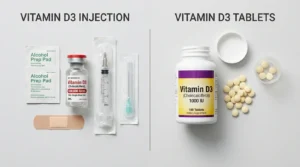
Common dosage strengths include:
- 60,000 IU
- 100,000 IU
- 200,000 IU
- 600,000 IU vitamin D injection
Some patients may need one injection every few months, while others require maintenance doses more frequently.
Self-dosing high-strength vitamin D can be dangerous. Excessive supplementation may lead to vitamin D toxicity and high calcium levels in the blood.
Routine blood monitoring helps ensure supplementation therapy remains safe and effective.
Side Effects and Risks of Vitamin D Injections
Like any medical treatment, vitamin D injections can cause side effects in some individuals. Most reactions are mild, but serious complications may occur if doses are too high.
Common side effects include:
- Pain at the injection site
- Mild swelling
- Headache
- Nausea
- Temporary fatigue
Rare but serious risks include:
- Hypercalcemia
- Kidney stones
- Vitamin D overdose
- Toxicity symptoms
Signs of vitamin D toxicity that require medical attention may include vomiting, confusion, dehydration, and irregular heartbeat.
People should always receive medically supervised vitamin D therapy to reduce the risk of complications.
Who Should Avoid Vitamin D Injections?
Although vitamin D injections can help many people, they are not suitable for everyone.
People who should speak with a healthcare provider before treatment include:
- Individuals with kidney disease
- People with hypercalcemia
- Patients with sarcoidosis
- Individuals taking certain heart medications
Drug interactions with vitamin D injections are possible, especially when combined with calcium supplements or medications affecting calcium metabolism.
Medical supervision is essential to ensure safe deficiency treatment.
What to Expect After a Vitamin D Injection
After receiving a vitamin D shot, some people notice gradual improvements in fatigue, muscle weakness, and low energy over several weeks.
Mild soreness near the injection area is common and usually temporary. Staying hydrated and following aftercare instructions may help reduce discomfort.
Recovery timelines vary based on:
- Deficiency severity
- Diet and lifestyle
- Sunlight exposure
- Overall health
Vitamin D injections are not an instant solution. Maintaining healthy vitamin D levels often requires long-term lifestyle changes and monitoring.
Best Natural Ways to Maintains
While injections may help correct severe deficiency, long-term vitamin D health also depends on daily habits.
Helpful strategies include:
- Regular sunlight exposure
- Eating vitamin D-rich foods
- Maintaining a balanced diet
- Staying physically active
- Following the doctor’s recommended supplementation
Foods rich in vitamin D include fatty fish, egg yolks, fortified milk, and certain mushrooms.
Combining healthy lifestyle habits with proper medical guidance can help maintain stable vitamin D blood levels over time.
Common Myths
Several myths surround vitamin D therapy and supplementation.
Myth 1: More Vitamin D Is Always Better
Excessive vitamin D can become harmful and increase the risk of toxicity symptoms.
Myth 2: Vitamin D Injections Cure Fatigue Instantly
While some people feel more energetic after treatment, recovery depends on overall health and deficiency severity.
Myth 3: Injections and Supplements Work Exactly the Same
Absorption rates and effectiveness can differ depending on the individual’s digestive health and medical condition.
Understanding realistic expectations helps people make safer health decisions.
FAQs
How long does a vitamin D injection last?
The effects may last several weeks or months, depending on dosage and individual vitamin D levels.
Are vitamin D injections painful?
Most people experience only mild discomfort at the injection site.
Can vitamin D injections increase energy?
People with deficiency-related fatigue may notice improved energy after treatment.
Are vitamin D shots better than tablets?
Injections may work better for people with severe deficiency or poor nutrient absorption.
Can too much vitamin D damage the kidneys?
Yes. Excessive vitamin D supplementation can contribute to kidney stones and calcium-related complications.
Is vitamin D injection safe during pregnancy?
Pregnant women should only receive supplementation under medical supervision.
Final Thoughts
Vitamin D deficiency is more common than many people realize, and it can affect energy levels, bone strength, immune health, and overall well-being. For individuals with severe deficiency or absorption difficulties, vitamin D injections may provide an effective treatment option.
However, proper diagnosis, blood testing, and medical supervision are essential before starting supplementation therapy. Choosing the correct dosage and monitoring vitamin D blood levels can help reduce the risk of side effects and toxicity. By combining medical guidance, healthy lifestyle habits, and balanced nutrition, people can support long term vitamin D health safely and effectively.
