
When traditional botanical wisdom meets modern nutritional science, few partnerships stand out quite like turmeric and honey. Often called golden honey in natural health communities, this vibrant pairing brings together the deep earthy warmth of ground Curcuma longa root with the rich, soothing sweetness of pure bee nectar. While each ingredient commands respect on its own, blending them creates a remarkably versatile home remedy. Whether you want to soothe a scratchy winter throat, ease morning stiffness in your joints, or brighten a dull complexion, learning how to use turmeric and honey properly can transform an ordinary pantry item into a cornerstone of your daily wellness ritual.
Many people stumble across this golden duo when searching for a quick fix for seasonal allergies or an alternative to harsh chemical skincare. However, getting real results requires looking past vague lifestyle claims and understanding the biology of how these substances interact inside the human body. From enzymatic stability to cellular absorption, small preparation details make the difference between an ineffective beverage and a truly therapeutic tonic.
The Science Behind the Synergy: Why Curcumin and Raw Honey Work Together
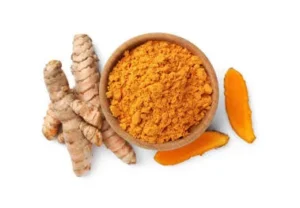
To appreciate why this pairing is so effective, you have to look at the individual molecular profiles. Turmeric owes its bright mustard color and therapeutic reputation to curcuminoids, the most notable being curcumin. Curcumin is a fat-soluble polyphenol celebrated across clinical phytotherapy journals for its capacity to moderate inflammatory cascades by inhibiting key signaling enzymes like COX-2 and downregulating NF-kB pathways. On its own, curcumin acts as a formidable biological defender against everyday oxidative stress.
Honey, particularly raw honey and medical-grade varieties like New Zealand Manuka, is far more than simple sugar. Unpasteurized honey contains an active complex of living enzymes, trace minerals, organic acids, and phenolic flavonoids like pinocembrin and quercetin. One of its standout biological features is the continuous, slow synthesis of natural hydrogen peroxide, produced when the bee enzyme glucose oxidase breaks down glucose in the presence of moisture.
When you combine curcumin and raw honey, honey’s thick carbohydrate matrix shields delicate plant polyphenols from rapid environmental oxidation. In turn, turmeric balances the concentrated sweetness of honey with grounding bitterness. Together, they create a natural shield that neutralizes unstable free radicals while discouraging unwanted bacterial growth on mucosal surfaces and skin tissue alike.
Evidence-Based Health Benefits for Body and Mind
Potent Anti-Inflammatory Synergy and Joint Comfort
Chronic, low-grade systemic inflammation is increasingly recognized as a root cause behind persistent joint discomfort, cardiovascular strain, and metabolic fatigue. The anti-inflammatory properties of turmeric help block the inflammatory mediators that aggravate joint tissues. For individuals managing swollen knuckles, knee stiffness, or active conditions like rheumatoid arthritis, regular consumption of a warm golden elixir helps calm irritated joints and restore ease of movement throughout the day.
Upper Respiratory Defense and Phlegm Relief
At the first sign of an scratchy throat, a mixture of turmeric and honey for cough and phlegm provides immediate physical comfort. Raw honey forms a thick, protective coating over sensitized pharyngeal tissues, suppressing the urge to cough while drawing on its inherent antimicrobial properties to soothe localized irritation. Meanwhile, turmeric gets to work clearing respiratory pathways and reducing the tissue swelling that leaves you feeling congested.
Digestive Harmony and Gut Microbiome Support
Digestive sluggishness often traces back to poor bile circulation or an unbalanced gut flora. The active curcumin in turmeric stimulates the gallbladder to release fresh bile, assisting your digestive tract in breaking down dietary fats smoothly and preventing post-meal bloat. Concurrently, natural raw honey delivers non-digestible oligosaccharides that serve as prebiotics, nourishing beneficial Bifidobacteria and Lactobacilli while discouraging opportunistic microbes from overgrowing in the digestive tract.
Cellular Protection and Cognitive Longevity
Every breath we take produces metabolic byproducts known as free radicals, which damage cell membranes over time. The concentrated antioxidants in this golden mix defend cells against premature aging. Curcumin has also been shown in animal and laboratory studies to support the expression of Brain-Derived Neurotrophic Factor (BDNF), a vital growth hormone that promotes neuroplasticity, memory retention, and long-term cognitive vitality.
The Bioavailability Secret: Maximizing Nutrient Absorption
Despite its impressive laboratory profile, curcumin faces a major physiological roadblock: human digestive tracts struggle to absorb it. Pure curcumin is notoriously hydrophobic and metabolizes rapidly in the liver and intestinal wall, meaning up to ninety-five percent of culinary turmeric passes straight through without entering your bloodstream.
Overcoming this hurdle requires two kitchen additions:
-
Black Pepper (Piperine): Piperine is the natural alkaloid responsible for black pepper’s sharp bite. Landmark clinical research demonstrates that adding even a tiny pinch of freshly cracked black pepper can enhance curcumin absorption by up to two thousand percent by temporarily inhibiting hepatic glucuronidation.
-
Dietary Fats: Because curcumin dissolves in fat rather than water, consuming it alongside healthy fats like cold-pressed coconut oil, grass-fed ghee, whole milk, or creamy almond butter ensures the active polyphenols bind into lipid micelles, allowing them to pass easily through your lymphatic system.

Sourcing Secrets: Raw Unfiltered vs. Processed Supermarket Honey
Not all golden ingredients on grocery shelves deliver genuine health benefits. Conventional liquid honey in clear plastic bear squeeze bottles is frequently ultra-filtered and heated past one hundred and sixty degrees Fahrenheit. This intense pasteurization eliminates natural crystallization, but it completely destroys fragile bee enzymes, eliminates beneficial pollen grains, and deactivates volatile antimicrobial compounds. To capture therapeutic benefits, look for raw, unfiltered, opaque honey that retains its living enzymatic integrity. If you want maximum antibacterial power for throat recovery or skin repair, choose authentic Manuka honey graded with an verified UMF or MGO rating.
Similarly, culinary turmeric powder can sit in warm spice warehouse bins for months, gradually losing its volatile essential oils and curcuminoid strength. Choose certified organic turmeric root powder stored in light-blocking containers, or pick up fresh, firm whole turmeric roots from your local produce section to grate directly into drinks and pastes.
Skincare Applications: Topical Masks for Glowing Skin
The benefits of this ancient combination extend far beyond your morning mug. Used topically, it creates a fast-acting, restorative facial treatment that revitalizes tired, congested complexions.
Calming Breakouts and Acne Bacteria
Acne thrives when clogged pores encounter Cutibacterium acnes bacteria, sparking inflamed, painful red bumps. Raw honey pulls excess moisture away from bacteria through osmotic pressure while maintaining your skin’s delicate moisture barrier. The curcumin in turmeric calms the angry redness surrounding active blemishes, working as a targeted spot treatment or full facial mask to soothe breakouts without the flaking and irritation caused by synthetic drying agents.
Brightening Hyperpigmentation and Uneven Tone
Whether you are dealing with sun damage, melasma, or stubborn dark spots left behind by past breakouts, natural plant compounds offer a gentle way to brighten. Curcumin helps inhibit tyrosinase, the foundational enzyme responsible for excessive melanin production in irritated skin cells. With consistent weekly use, a well-balanced mask helps fade discoloration and reveal a smoother, more radiant complexion.
The Clean Removal Protocol: Avoiding the Yellow Stain
The primary hesitation people have with topical turmeric is its tendency to leave a bright yellow residue on lighter skin tones and white bathroom towels. To prevent unwanted yellow stains:
-
Never apply dry turmeric directly to your skin without a buffering base like honey, yogurt, or facial oil.
-
Keep your application time strictly between ten and fifteen minutes; never leave a turmeric mask on overnight.
-
Remove the mask using lukewarm water and gentle circular motions. If a pale yellow tint lingers, massage a few drops of jojoba oil or sweet almond oil onto your face and wipe it clean with a damp, dark washcloth. The plant pigments bind to the oil and lift away instantly.
 Kitchen Formulations: 3 Easy Recipes with Exact Ratios
1. Daily Golden Honey Wellness Paste (Fridge-Stable Booster)
This concentrated paste is a dependable staple to keep tucked in your refrigerator door for busy mornings or sudden throat tickles.
-
Ingredients:
-
1/2 cup raw, unfiltered honey
-
3 tablespoons organic ground turmeric powder
-
1/4 teaspoon freshly ground black pepper
-
1 tablespoon melted unrefined virgin coconut oil
-
-
Preparation:
-
Add the ground turmeric, black pepper, and melted coconut oil to a clean glass bowl. Stir until a uniform, thick slurry forms.
-
Slowly fold in the raw honey, gently incorporating the powders until smooth and glossy.
-
Transfer the mixture to a clean, airtight glass mason jar. Store in the refrigerator for up to four weeks. Stir one teaspoon into warm water, or swallow it straight off the spoon to calm an irritated throat.
-
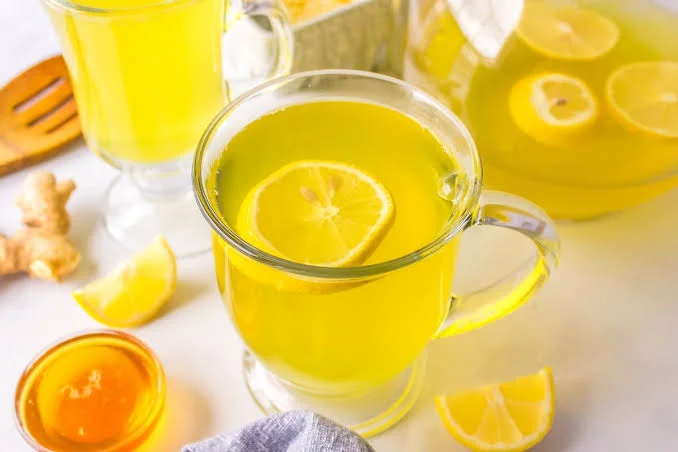
2. Soothing Lemon, Ginger, and Turmeric Tea
A comforting hot beverage for cold mornings and rainy afternoons, specially formulated to protect temperature-sensitive honey enzymes.
-
Ingredients:
-
1 cup clean filtered water
-
1/2 inch fresh ginger root, thinly sliced
-
1/2 teaspoon ground turmeric or 1 inch fresh root, grated
-
1 pinch cracked black pepper
-
1 tablespoon fresh lemon juice
-
1 tablespoon raw honey
-
-
Preparation:
-
Bring the water, ginger slices, and turmeric to a gentle simmer in a small saucepan for five to seven minutes to extract their flavors and bioactives.
-
Take the pan off the burner, strain the liquid into your favorite mug, and drop in the pinch of black pepper.
-
Allow the liquid to cool down until it is warm to the touch rather than scalding hot, roughly one hundred and ten degrees Fahrenheit.
-
Stir in the fresh lemon juice and raw honey until dissolved. Enjoying the tea at this safe temperature preserves the raw honey’s active digestive enzymes.
-
3. Clarifying Honey-Turmeric Facial Mask
A deeply nourishing, skin-clearing mask designed to hydrate, balance oil, and soothe surface irritation.
-
Ingredients:
-
1 tablespoon raw honey or high-grade Manuka honey
-
1/2 teaspoon organic ground turmeric
-
1 teaspoon plain whole-milk Greek yogurt (delivers gentle, exfoliating lactic acid)
-
-
Preparation:
-
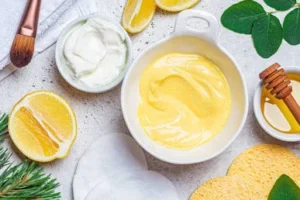
Whisk the honey, turmeric, and Greek yogurt together in a small ramekin until you have a creamy, golden paste.
-
Cleanse your face with a mild soap and pat dry with a towel.
-
Apply an even layer across your cheeks, forehead, and chin, steering clear of your nostrils, lips, and sensitive eye areas.
-
Relax for twelve to fifteen minutes. Rinse thoroughly with warm water, follow with a gentle oil cleanse if any tint remains, and lock in hydration with your go-to facial moisturizer.
-
Daily Timing and Sensible Dosage
Finding the ideal moment to take your daily tonic depends largely on your personal lifestyle goals and gastrointestinal sensitivities.
-
Morning Energy and Digestive Wake-Up: Many people enjoy sipping a warm mug first thing in the morning to encourage smooth peristalsis and wake up the liver. However, if you are prone to mild acid reflux, the natural acidity of lemon paired with strong spices may feel harsh on an empty stomach. If this happens, simply enjoy your mug alongside breakfast.
-
Evening Relaxation and Joint Repair: Taking warm milk blended with turmeric and honey an hour before bed provides a soothing routine for restorative sleep. The natural carbohydrates in honey trigger a modest, steady insulin release that helps l-tryptophan cross the blood-brain barrier, while turmeric works overnight to soothe aching muscles and joint tissues.
-
Standard Daily Serving: For general health maintenance, stick to one to two teaspoons of the prepared paste, or roughly one-half to one full teaspoon of culinary ground turmeric paired with one tablespoon of raw honey per day. Consistency over weeks brings much better results than taking erratic, oversized doses.
Critical Safety Precautions, Side Effects, and Contraindications
While natural kitchen remedies are generally very safe for everyday cooking, concentrated medicinal use requires mindful attention to existing health conditions.
Bleeding Risks and Medication Interactions
Curcumin exhibits mild natural antiplatelet and anticoagulant properties. If you take prescription blood thinners like warfarin or clopidogrel, or take aspirin daily, high supplemental amounts of turmeric can elevate your risk of bruising and bleeding. Always pause medicinal intake at least two weeks ahead of any planned surgical or extensive dental procedures.
Gallbladder and Kidney Stone Alerts
Curcumin actively stimulates gallbladder contractions to discharge bile. While beneficial for normal digestive processing, this action can trigger acute biliary colic if you have active gallstones or an obstructed bile duct. Additionally, commercial culinary turmeric contains noticeable levels of dietary oxalates, which can contribute to the formation of calcium oxalate kidney stones in individuals with a known metabolic susceptibility.
Blood Sugar Fluctuations
Both honey and turmeric exert physiological influences on carbohydrate metabolism. While raw honey causes a lower glycemic spike than refined white table sugar, it remains a concentrated source of carbohydrates that individuals with diabetes must account for in their daily monitoring. Interestingly, curcumin can enhance natural insulin sensitivity, so combining high-dose extracts with prescription hypoglycemic medications requires close monitoring to avoid unexpected blood sugar drops.
Essential Infant Warning: Clostridium Botulinum
Never feed honey of any kind, whether raw, pasteurized, local, or imported, to infants under twelve months old. Honey can harbor dormant spores of Clostridium botulinum bacteria. While harmless to older children and adults with developed gut biomes, these spores can germinate inside an immature infant digestive system, leading to infant botulism, a rare but life-threatening neurological illness.
FAQs
Does pouring boiling water destroy the nutrients in honey?
Yes, high heat damages beneficial honey enzymes. Boiling water deactivates fragile enzymes like glucose oxidase and breaks down delicate antioxidant aromatics. To keep your tonic nutritionally potent, simmer your turmeric and spices first, let the liquid cool until it is comfortably warm, and stir your raw honey in right before drinking.
Can I drink this mixture every day?
Yes, incorporating moderate servings of turmeric and honey into your daily culinary routine is safe and supportive for most healthy adults. Keeping your intake to a single cup of tea or a teaspoon of paste daily provides ongoing antioxidant support without overwhelming your digestive system.
Will drinking golden tea turn my teeth yellow?
Under normal conditions, occasionally sipping a well-diluted tea will not stain healthy tooth enamel. However, if you have temporary dental bonding, porous veneers, or drink strongly concentrated pastes daily without rinsing, yellow surface pigments can cling to superficial dental plaque. Swishing your mouth with fresh water immediately after drinking keeps your smile clean and bright.
How should I store homemade golden paste?
Keep your golden paste in a sealed, dark glass container in the refrigerator. Thanks to the natural preservation qualities of raw honey, a properly mixed paste made with dry spices will easily keep fresh for three to four weeks without molding. If you add fresh water or root juices, use the batch within seven to ten days.
