

Introduction
A Monroe piercing is one of the most recognizable facial piercings thanks to its elegant placement above the upper lip. Inspired by Marilyn Monroe’s famous beauty mark, this upper lip piercing has become a favorite among people who want a stylish yet bold look. It blends beauty, personality, and self-expression while remaining versatile enough for minimalist jewelry or glamorous designs.
Before getting this cosmetic piercing, it is important to understand the healing process, pain level, jewelry choices, and aftercare routine. Many people focus only on the appearance, but proper care and professional piercing standards play a huge role in preventing irritation, swelling, and dental complications. This guide covers everything from Monroe piercing pain and healing stages to aftercare tips, jewelry materials, risks, and cost expectations so you can make an informed decision.
What Is a Monroe Piercing?
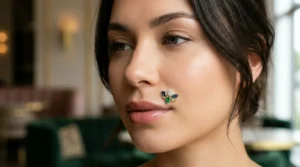
A Monroe piercing is a type of oral piercing placed on the upper lip, usually on the left side. The location resembles Marilyn Monroe’s iconic beauty mark, which is how the piercing got its name. This facial piercing is typically done with a flat back labret stud because it sits comfortably against the inner lip tissue. While hoops can be worn later, studs are the safest option during healing.
Why Is It Called a Monroe Piercing?
The piercing takes inspiration from Marilyn Monroe and her famous beauty mark. Because the placement mirrors the mark above her lip, the name became popular within the body modification community.
Monroe vs Madonna Piercing
People often confuse a Monroe and a Madonna piercing. The difference is placement. A Monroe sits on the left side of the upper lip, while a Madonna piercing is placed on the right side.
Monroe vs Medusa Piercing
A Medusa piercing sits in the center above the upper lip, directly under the nose. In contrast, a Monroe is positioned off to one side, creating a softer and more asymmetrical appearance.
Monroe Piercing Placement Explained
The piercing is usually placed slightly above the upper lip line. Placement may vary depending on facial anatomy, muscle structure, and personal preference. Professional piercers carefully mark the area before piercing to ensure symmetry and comfort.
Does Placement Vary by Face Shape?
Yes, face shape can influence placement. Some people prefer a slightly higher position while others choose a lower placement for a more subtle look. An experienced piercer can recommend the best angle based on your facial features.
Choosing the Right Side for Your Face
Although the left side is traditional, many people choose the side that balances their facial structure or complements existing piercings.
Anatomy Requirements for Monroe Piercing
Not everyone has the ideal anatomy for this upper lip piercing. Lip thickness, gum structure, and oral tissue shape can affect jewelry fit and healing.
When Your Anatomy May Not Support a Monroe Piercing
If your lip tissue is too thin or if the jewelry presses excessively against your gums or teeth, your piercer may advise against it. This is important because poor placement increases the risk of gum recession and enamel damage.
How Painful Is a Monroe Piercing?
Pain levels vary from person to person, but most people rate it between 4 and 6 out of 10. Since the upper lip contains sensitive nerve endings, there is some discomfort during the procedure. Most people describe the experience as a quick pinch followed by mild pressure and temporary swelling. The actual piercing process lasts only a few seconds.
Factors That Affect Pain
Several factors influence pain levels:
- Individual pain tolerance
- Piercer experience
- Jewelry quality
- Anxiety and stress
- Lip sensitivity
Pain Compared to Other Facial Piercings
Compared to nostril or eyebrow piercings, many people find this lip piercing slightly more uncomfortable because of the delicate oral tissue involved.
Monroe Piercing Procedure Step by Step
Your piercer will first examine your anatomy and discuss jewelry options. The placement area is then marked carefully. Professional piercing studios use sterile equipment, disposable needles, and sanitized jewelry to reduce infection risks. A hollow sterile needle is passed through the marked area, and the jewelry is inserted immediately afterward. Most piercers use implant-grade titanium flat back labret jewelry because it reduces irritation and supports healing. Swelling, tenderness, and slight redness are normal during the first few days. Cold compresses and saline rinses can help minimize discomfort.
Questions You Should Ask Your Piercer Before Getting Pierced
Before the appointment, ask:
- Is the jewelry implant grade titanium?
- How should I clean the piercing?
- When should jewelry downsizing happen?
- What signs of infection should I watch for?
Monroe Piercing Healing Time
Healing usually takes 6 to 12 weeks, depending on your aftercare routine and body response.
Healing Stages Week by Week
Week 1
Swelling and tenderness are common.
Weeks 2 to 4
Irritation decreases, and the tissue starts stabilizing.
Week 5 to 8
The outer area looks healed, but the inner tissue is still recovering.
Week 9 to 12
Most people can switch jewelry after professional approval.
Normal Symptoms During Healing
Common healing signs include:
- Mild swelling
- Clear discharge
- Temporary redness
- Light crust formation
Signs Your Monroe Piercing Is Healing Properly
Healthy healing usually means swelling gradually decreases and discomfort becomes minimal over time.
Why Some Monroe Piercings Heal Slower Than Others
Smoking, poor oral hygiene, touching the jewelry, and low-quality metal can delay healing significantly.
Monroe Piercing Aftercare Guide
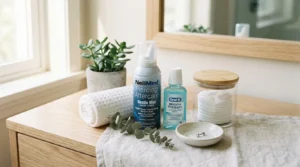
Use sterile saline solution twice daily. Avoid alcohol or hydrogen peroxide because they can irritate healing tissue. Choose pre-mixed sterile saline sprays rather than homemade mixtures whenever possible. Use alcohol free mouthwash after eating and maintain good oral hygiene to reduce bacteria buildup.
Foods and Drinks to Avoid
During early healing, avoid:
- Spicy foods
- Extremely hot drinks
- Alcohol
- Excessive dairy products
Things You Should Never Do
Do not:
- Twist the jewelry
- Touch the piercing with dirty hands
- Change jewelry too early
- Sleep directly on the piercing
Common Aftercare Mistakes That Delay Healing
One major mistake is over-cleaning. Excessive cleaning can dry the tissue and increase irritation and bumps.
Infection vs Irritation
Minor swelling and tenderness are common during healing.
Signs of an infected Monroe piercing may include:
- Yellow or green discharge
- Severe swelling
- Fever
- Strong pain
- Excessive redness
What Causes Irritation Bumps?
Irritation bumps can appear because of:
- Poor jewelry quality
- Friction
- Incorrect jewelry length
- Touching the piercing
When to See a Professional
If symptoms worsen instead of improving, contact a professional piercer or healthcare provider immediately.
Monroe Piercing Rejection and Migration Explained
Sometimes the body pushes jewelry outward. This process is called migration or rejection and usually happens when the jewelry size or placement is unsuitable.
Best Jewelry for Monroe Piercing
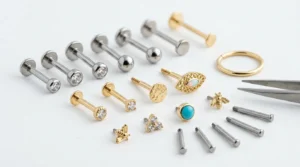
Flat back labrets are considered the safest and most comfortable option during healing.
Titanium vs Stainless Steel
Implant-grade titanium is preferred because it is lightweight, durable, and less likely to trigger allergic reactions.
Gold Jewelry Options
High-quality gold jewelry can work well after healing, especially for people seeking a luxurious appearance.
Internally Threaded vs Threadless Jewelry
Internally threaded and threadless jewelry reduces tissue damage compared to externally threaded designs.
Jewelry Sizes and Lengths
Initial jewelry is usually longer to accommodate swelling. Downsizing may be needed after healing progresses.
Why Downsizing Jewelry Is Important
Long jewelry can rub against teeth and gums, increasing dental risks. Proper downsizing improves comfort and safety.
Monroe Piercing Risks and Side Effects
Poorly fitted jewelry can press against gums and lead to recession over time. Constant friction may weaken enamel, especially if jewelry repeatedly hits the teeth. Small scars may remain after removing the jewelry, although many become less noticeable over time. Severe swelling can cause jewelry embedding if the bar is too short. Cheap metals may trigger skin irritation and inflammation.
Monroe Piercing Cost
Pricing depends on the studio, location, and jewelry quality. Most studios charge between $30 and $90.
Jewelry Cost Factors
Titanium, gold, and custom jewelry designs increase the overall price.
Why Cheap Piercings Can Be Risky
Low-cost studios may compromise on hygiene standards or jewelry quality, which can increase complications.
Monroe Piercing Pros and Cons
Benefits
- Stylish and eye-catching
- Easy to customize with jewelry
- Complements other facial piercings
- Works with minimalist aesthetics
Drawbacks
- Requires careful aftercare
- Can affect oral health
- Healing may take several weeks
- Swelling can feel uncomfortable initially
Is Monroe Piercing Worth It?
For many people, the piercing offers a unique blend of fashion and self-expression. However, proper aftercare and professional placement are essential.
Monroe Piercing Style Ideas
Minimalist Monroe Jewelry
Small titanium studs create a clean and elegant appearance.
Monroe Piercing for Men
Many men choose darker metallic jewelry for a bold look.
Monroe Piercing for Women
Crystal studs and gold jewelry remain popular choices.
Matching Monroe with Other Facial Piercings
This piercing pairs well with septum, nostril, and Medusa piercings.
Monroe Piercing Trends in 2026
Minimalist jewelry, threadless titanium studs, and curated facial piercing combinations continue to trend in modern piercing aesthetics.
How to Choose a Professional Piercer
Choose studios that use sterile needles, gloves, and implant-grade jewelry.
Certifications and Experience
An experienced piercer understands anatomy, placement, and oral health concerns.
Red Flags to Avoid
Avoid studios that:
- Reuse equipment
- Ignore sterilization
- Offer suspiciously low prices
- Use poor-quality jewelry
Why Professional Piercing Standards Matter for Long-Term Oral Health
Professional piercing standards reduce the chances of infection, gum damage, and improper healing.
FAQs
Can You Eat After a Monroe Piercing?
Yes, but soft foods are recommended during the first few days.
Does Monroe Piercing Leave a Scar?
A small mark may remain after removal.
Can You Smoke During Healing?
Smoking can delay healing and increase irritation.
When Can You Change Jewelry?
Most people should wait until full healing is complete.
Can Monroe Piercing Damage Teeth?
Yes, poorly fitted jewelry may damage enamel and gums over time.
Final Thoughts
A Monroe piercing combines style, personality, and timeless appeal. While the piercing looks elegant, successful healing depends on proper aftercare, high-quality jewelry, and professional placement. Understanding the healing timeline, oral care routine, and possible risks helps you avoid complications and enjoy your new look safely. If you are considering this upper lip piercing, always choose an experienced piercer who prioritizes hygiene, anatomy, and long-term oral health.
