
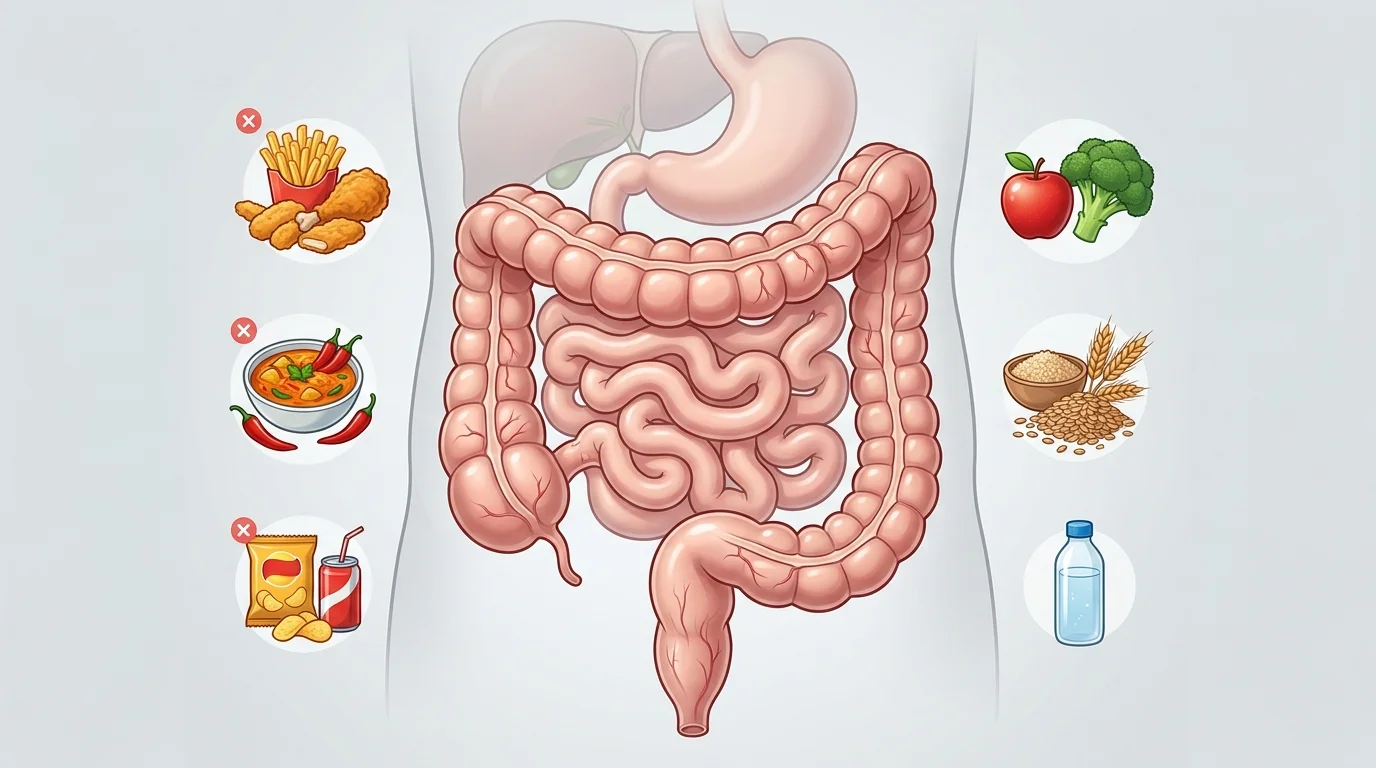
Diverticulitis is a digestive condition where small pouches in the colon become inflamed, leading to pain, bloating, and changes in bowel habits. During flare-ups, food choices play a very important role in managing symptoms and supporting recovery. That is why understanding the 7 foods to avoid with diverticulitis nhs is essential for anyone trying to reduce discomfort and make safer dietary decisions during sensitive phases of the condition.
If you are looking for clear and practical advice, understanding the 7 foods to avoid with diverticulitis nhs can help you reduce discomfort and make safer food choices during sensitive phases of the condition. These foods may not cause the condition itself, but they can worsen symptoms when the digestive system is already inflamed.
Understanding Diverticulitis and Why Food Matters
Diverticulitis affects the large intestine, especially when diverticula become inflamed. During flare-ups, the digestive system becomes sensitive, and certain foods may worsen symptoms such as cramping, bloating, and bowel irritation.
Dietary choices influence:
- Colon inflammation levels
- Stool consistency
- Digestive tract pressure
- Recovery speed during flare-ups
This is why structured dietary guidance is commonly recommended in diverticular disease management.
It is also important to understand the difference between diverticulosis and diverticulitis. Diverticulosis refers to the presence of pouches, while diverticulitis involves active inflammation and symptoms.
7 Foods to Avoid With Diverticulitis NHS
Here is a simple evidence-based list commonly associated with flare-up management:
- Fried and greasy foods
- Processed and packaged foods
- Red meat
- Spicy foods
- High-fat dairy products
- Nuts and seeds during flare-ups
- Popcorn
This list reflects common dietary triggers discussed in clinical guidance and is the foundation of the 7 foods to avoid with diverticulitis NHS approach.
Detailed Breakdown of Foods to Avoid
1. Fried and Greasy Foods
Fried foods slow digestion and may increase pressure in the colon. They can worsen inflammation and make symptoms more uncomfortable during flare-ups. Examples include fast food, fried chicken, chips, and oily snacks.
2. Processed and Packaged Foods
Processed foods often contain refined grains, preservatives, and unhealthy fats that can disrupt gut health and digestion.
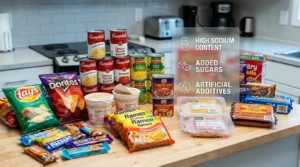
Examples include:
- Instant noodles
- Packaged snacks
- Processed meats
- Ready meals
These foods may contribute to digestive sensitivity and irregular bowel movements.
3. Red Meat
Red meat is harder to digest and may increase strain on the digestive tract during inflammation. During a flare up diet, lighter protein sources are usually preferred. Better alternatives include eggs, chicken, and fish in soft preparation.
4. Spicy Foods
Spicy foods can irritate the gastrointestinal system and worsen symptoms like cramping and abdominal discomfort in sensitive individuals. This includes chili, hot sauces, and heavily spiced meals.
5. High-Fat Dairy Products
Some people experience bloating or discomfort with milk, cheese, and cream during flare-ups. Fat content can also slow digestion. Low-fat or lactose-free options may be better tolerated.
6. Nuts and Seeds
Modern research suggests nuts and seeds do not directly cause diverticulitis, but during active inflammation, they may still be difficult to digest for some individuals. This is why they are often included in the 7 foods to avoid with diverticulitis nhs guidance during flare-ups only.
7. Popcorn
Popcorn is high in fiber and may be difficult to digest during acute symptoms. It can increase bowel activity when the colon needs rest. However, it is generally safe after recovery when a normal diet resumes.
Diverticulitis Diet Phases
Most competitors fail to explain diet progression clearly. This is critical for SEO and user trust.
Phase 1: Clear Liquid Diet
Used when symptoms are strong and the digestive system needs rest.
Includes:
- Broth
- Water
- Clear juices
- Herbal tea
Phase 2: Low Fiber Diet
Once symptoms improve, a low fiber diet helps reduce strain on the colon.
Includes:
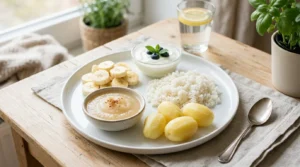
- White rice
- Bananas
- Applesauce
- Mashed potatoes
- Soft-cooked vegetables
Phase 3: Gradual High Fiber Diet
Fiber is slowly reintroduced to support long-term gut health and reduce recurrence risk.
Includes:
- Whole grains
- Fruits with skin
- Vegetables
- Legumes
Foods to Eat During Diverticulitis Recovery
A recovery diet should focus on easy-to-digest and soothing foods that support the gut microbiome.
Recommended options include:
- Chicken soup
- Yogurt with probiotics
- Rice porridge
- Soft-boiled eggs
- Boiled potatoes
- Applesauce
- Bananas
These foods support digestive system recovery and help maintain hydration balance.
Myths vs Facts About Diverticulitis Diet
Myth 1: Nuts and seeds always cause diverticulitis
Fact: Research shows they are not direct causes, but may irritate symptoms during flare-ups.
Myth 2: Fiber should always be avoided
Fact: Fiber is essential for long-term colon health, but should be adjusted during flare-ups.
Myth 3: Diverticulitis is always caused by food
Fact: It is influenced by multiple factors, including age, gut health, and lifestyle.
Foods That Support Gut Healing
Certain foods may help improve digestion and reduce inflammation after a flare-up:
- Bananas for gentle digestion
- Yogurt for probiotics
- Rice for easy energy
- Applesauce for mild fiber control
- Herbal teas for gut soothing
These support gut microbiome balance and overall digestive health improvement.
When and How to Return to a Normal Diet
Once symptoms improve, slowly reintroduce fiber-rich foods. This helps prevent future flare-ups and supports healthy bowel function.
Start with:
- Soft fruits
- Cooked vegetables
- Whole grains
- Legumes
Increase fiber gradually to avoid digestive discomfort.
FAQs
What foods trigger diverticulitis flare-ups?
Greasy, spicy, and highly processed foods may worsen symptoms in some individuals.
Can you eat eggs with diverticulitis?
Yes, eggs are generally easy to digest and suitable during recovery.
Is yogurt good for diverticulitis?
Yes, yogurt contains probiotics that may support gut health.
Can popcorn cause diverticulitis?
It may irritate symptoms during flare-ups, but it does not cause the condition.
What is the best diet during a flare-up?
A low fiber or clear liquid diet, depending on symptom severity.
Conclusion
Managing diverticulitis requires a careful and phased dietary approach. Avoiding certain foods during flare-ups can significantly reduce discomfort and support faster recovery.
The 7 foods to avoid with diverticulitis nhs guidance provides a practical foundation for symptom management, but long-term success depends on gradual fiber reintroduction and overall gut health improvement. A structured diet, hydration, and mindful food choices can help reduce flare-ups and improve digestive stability over time.
