
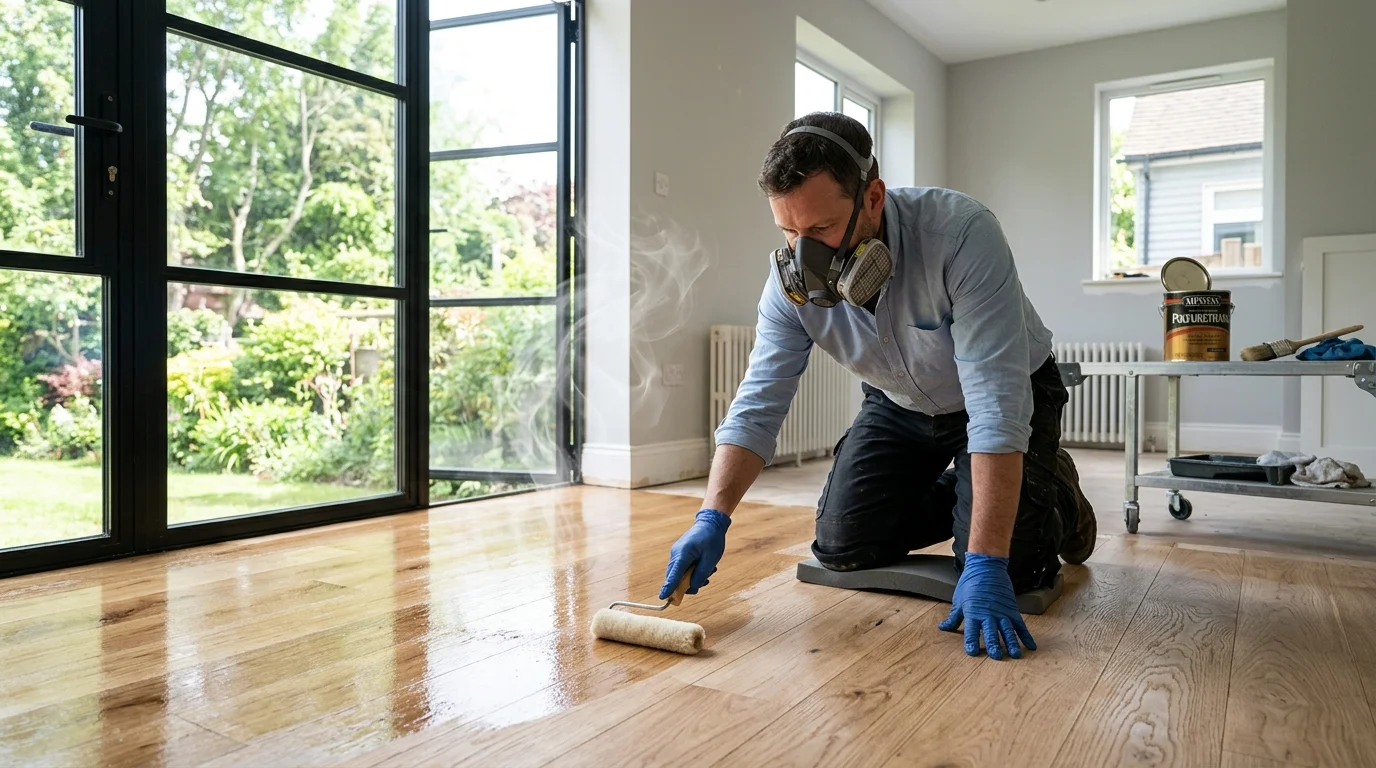
Whether you are refinishing hardwood floors, picking out a new mattress, or decorating a nursery, chemical exposure inside the home is a major health consideration. Because polyurethane appears in so many household items, many health-conscious consumers wonder: is polyurethane toxic to our bodies, and can it cause long-term illness?
The medical and toxicological answer comes down to two distinct chemical phases: liquid/uncured and fully cured. Liquid polyurethane releases harmful fumes that affect the respiratory system and skin. However, once the material cures into a solid plastic polymer, its toxicity drops significantly. Understanding these health risks empowers you to reduce indoor air pollution and protect your family.
The Chemical Reality: How Polyurethane Affects the Human Body
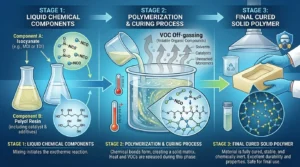
Polyurethane is a synthetic material created by reacting polyols with diisocyanates (most commonly toluene diisocyanate, or TDI, and methylene diphenyl diisocyanate, or MDI). From a toxicological standpoint, raw chemical exposure differs radically from finished material contact.
Respiratory and Chemical Hazards of Liquid Polyurethane
During application or initial drying, liquid polyurethane releases two primary classes of health hazards:
-
Volatile Organic Compounds (VOCs): Evaporating organic solvents that degrade indoor air quality and cause acute systemic symptoms.
-
Isocyanates Health Effects: Highly reactive binding agents recognized by occupational health organizations as potent chemical allergens. Inhaling isocyanates can cause bronchial inflammation, asthma-like reactions, and lung irritation.
Cured Polyurethane: Biological Stability
Once the chemical reaction reaches 100% completion, the molecules lock together to form an inert polyurethane polymer. The volatile solvents evaporate completely, and the toxic diisocyanates are entirely consumed in the reaction. At this point, the material becomes non-reactive, stable, and non-toxic for daily human touch.
Is Polyurethane Toxic to Skin? Contact Sensitization & Dermatitis
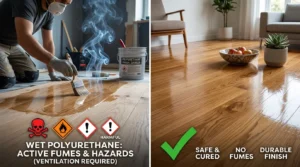
Direct contact with uncured liquid polyurethane poses distinct skin health hazards. Wet polyurethane can cause polyurethane contact dermatitis, localized chemical irritation, and long-term dermal sensitization.
| Health Metric | Uncured / Liquid Exposure | Fully Cured Surface Contact |
| Dermal Response | High risk of chemical burns, rash, and allergy | Non-irritating to skin |
| Airway Impact | High risk of bronchial irritation and asthma flare-ups | No impact on respiratory tract |
| Chemical Toxicity | Toxic via inhalation and absorption | Inert plastic polymer matrix |
If you get liquid finish on your skin, avoid pouring harsh solvents like acetone or paint thinner directly over the area, as these strip your skin barrier and speed up chemical absorption.
Safe First Aid for Removing Polyurethane from Skin
-
Wipe off excess: Remove wet coating with a clean, dry cloth immediately.
-
Use natural lipophilic oils: Massage olive oil, vegetable oil, or coconut oil onto the affected skin to break down the sticky polyurethane matrix.
-
Wash gently: Wash off the oil using warm water and mild dish soap.
-
Restore skin barrier: Apply a soothing, unscented moisturizer to protect the skin barrier.
Water-Based vs. Oil-Based Polyurethane: Comparing Toxicological Profiles
Choosing between water-based vs oil-based polyurethane toxicity levels directly impacts your home’s indoor health environment. Oil-based options rely heavily on mineral spirits and petroleum solvents, generating significant polyurethane VOC emissions. The chemical odor can trigger headaches and respiratory distress for weeks.
Water-based formulations rely primarily on water as their carrier. They produce significantly fewer VOCs, dry much faster, and pose a lower overall toxicity risk to residents. For health-sensitive homes, choosing low-VOC polyurethane coatings helps keep indoor air clean.
Indoor Air Quality: Mattresses, Furniture, and Insulation
Polyurethane foam safety is an important health topic, particularly regarding items you come into direct contact with every day.
Health Impacts of Bedding Off-Gassing
Unpacking a new polyurethane foam mattress often fills the room with a noticeable chemical odor. This off-gassing occurs as residual VOCs escape from tiny air pockets inside the foam. While rarely toxic in low doses, these vapors can cause respiratory discomfort, nausea, or migraines in sensitive people. Choosing products certified by independent testing organizations helps minimize chemical exposure in the bedroom.
Spray Foam Insulation and Respiratory Health
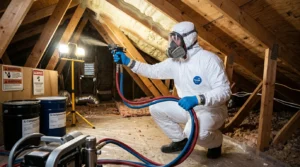
Spray polyurethane foam insulation presents significant health risks if applied improperly. Professional applicators must wear full-face organic vapor respirators and protective gear. Unprotected exposure to airborne spray foam fumes can trigger severe lung irritation, eye burning, and persistent chemical sensitivity. Residents must vacate the premises until the full cure period has safely elapsed.
Special Health Considerations:
Certain groups require extra precautions when around household chemical products.
Food Contact Surfaces and Chemical Leaching
When applying clear coats to wooden kitchen items, choosing a certified food-safe polyurethane finish ensures that no residual solvents or harmful additives leach into food during meal prep.
Exposure Risks for Infants, Children, and Pregnant Women
Parents often ask: is polyurethane toxic to developing children or during pregnancy? Pregnant women should avoid breathing active polyurethane fumes, as solvent exposure is linked to health complications. For cribs and nursery furniture, cured finishes are completely safe once all chemical odors have disappeared. To be safe, allow nursery items to cure in a well-ventilated space for at least 30 days before baby arrives.
Pets and Chemical Sensitivity
Pets have smaller lungs and faster metabolic rates, making them more sensitive to airborne chemicals. Liquid polyurethane and expanding adhesive foams are highly toxic if ingested by animals. However, fully cured floor coatings are non-toxic to dogs and cats.
Recognizing Polyurethane Fumes Symptoms
Understanding polyurethane toxicity and drying time is critical to avoiding chemical toxicity at home. When refinishing floors, people often wonder: can you sleep in the house after polyurethane floors are treated? With oil-based products, you should stay elsewhere for at least 3 to 7 days. For water-based products, 24 to 48 hours is generally sufficient, provided there is adequate fresh air circulation.
Symptoms of Overexposure to Watch For
If you inhale high concentrations of polyurethane fumes, you may experience:
-
Headaches, lightheadedness, or feeling faint
-
Burning sensations in the eyes, nose, or throat
-
Persistent coughing, chest tightness, or asthma flare-ups
-
Nausea and loss of appetite
If any of these health symptoms appear, move to fresh outdoor air immediately.
Health-First Safety Precautions for Home Application
If you plan to complete a home renovation project using polyurethane, follow these health-first protection measures:
-
Maximize Ventilation: Open all windows and set up fans blowing outward to draw VOC fumes out of living spaces.
-
Wear Personal Protective Equipment (PPE): Use nitrile gloves to prevent skin contact and wear protective goggles.
-
Use Respiratory Protection: Standard dust masks do not filter out toxic organic vapors. Always wear an organic vapor respirator rated specifically for solvents and VOCs.
-
Purify Air Post-Application: Place air purifiers equipped with thick activated carbon filters in treatment areas to absorb leftover VOCs.
Healthier, Non-Toxic Alternatives
If you prefer to avoid synthetic chemical finishes, consider these natural, low-toxicity options:
-
Pure Tung Oil: A non-toxic, plant-derived nut oil that cures naturally to form a water-resistant finish.
-
Raw Linseed Oil: Extracted from flaxseed, offering a natural finish with zero toxic off-gassing.
-
Hardwax Oils: Blends of natural plant oils and waxes that protect wood while maintaining zero VOC emissions.
-
Pure Shellac: A non-toxic, natural resin dissolved in alcohol that becomes bio-safe once dry.
Environmental Health & Safe Disposal
Improper disposal of unused paint and varnish damages local soil and water quality. Uncured liquid polyurethane should never be poured down household drains or dumped outside.
How to Dispose of Unused Polyurethane Safely
To handle liquid waste responsibly:
-
Allow small leftover amounts to dry out completely in an open container outdoors, away from children and pets.
-
Mix liquid remnants with cat litter or sawdust to solidify the material.
-
Take larger liquid quantities to a local hazardous waste collection center.
FAQs
Is polyurethane toxic after it dries?
No. Once polyurethane is 100% dry and cured, it becomes chemically inert and safe for human contact. Harmful VOCs and reactive compounds evaporate during the drying phase.
How long does polyurethane smell last?
The strongest smell dissipates within 3 to 7 days for oil-based finishes, and within 24 to 48 hours for water-based finishes. Trace off-gassing can continue at low levels for up to a month.
Is polyurethane safer than epoxy resin?
Both materials release hazardous fumes in their liquid states and become safe once fully cured. Epoxy resins pose a higher risk of severe contact allergies on skin, while polyurethane finishes release higher levels of evaporating solvent VOCs into the air.
Health Verdict
So, is polyurethane toxic to your health? While liquid and spray forms release hazardous VOCs and isocyanates that require strong respiratory protection, fully cured polyurethane forms a safe, inert material that poses no risk to human health. By managing air quality, allowing full cure times, and using appropriate protective gear, you can safely enjoy polyurethane products in your home.
