
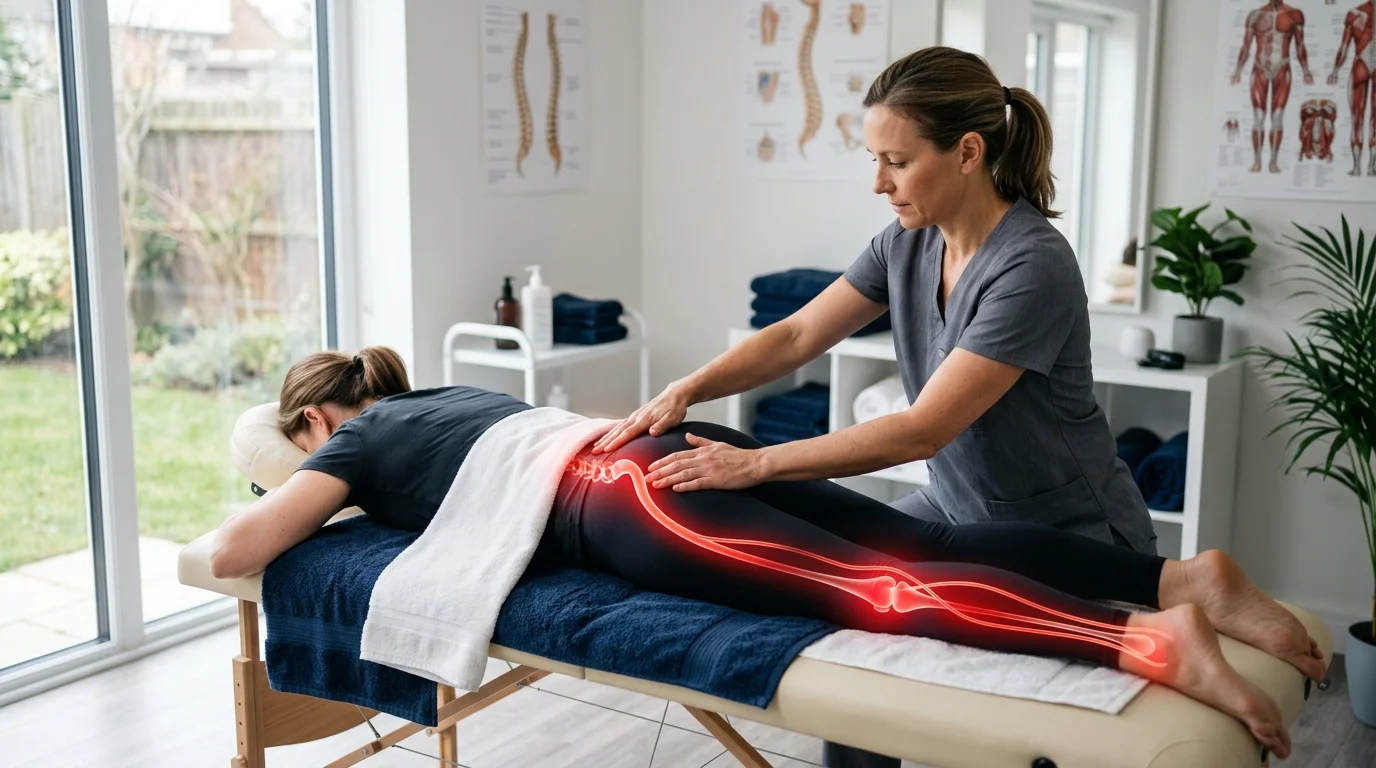
Sciatica can make simple daily activities feel like overwhelming challenges. When sharp, shooting discomfort radiates down your leg, finding fast, reliable relief becomes your top priority. If you are exploring non-invasive options, you might wonder: can massage help sciatica, or will it make your symptoms worse?
The short answer is yes. Massage therapy can be a remarkably effective way to soothe pain, relieve tension, and restore mobility. While massage is generally not a permanent structural cure for underlying conditions like a herniated disc, it works directly on the surrounding muscular tissue to ease nerve pressure and promote long-term recovery.
Can Massage Help Sciatica Pain? (Quick Answer & Medical Verdict)
To understand how massage works, it helps to understand what causes your discomfort. The sciatic nerve is the longest in the human body, running from your lower back, through your hips and buttocks, and down each leg. When surrounding muscles become unusually tight or inflamed, they compress this nerve, causing pain, tingling, and numbness.
So, can massage help sciatica when pain strikes? Yes, by directly targeting the muscular tight spots that put pressure on the sciatic pathway.
How Massage Therapy Relieves Sciatic Nerve Pressure
Massage therapy treats sciatic discomfort through several distinct physiological mechanisms:
-
Relieving Muscle Compression: Tight muscles, particularly the piriformis located deep in the buttocks, can pinch the sciatic nerve. Massage relaxes these hypertonic muscles, reducing direct pressure on the nerve.
-
Improving Local Blood Circulation: Targeted pressure stimulates blood flow to sore areas. Enhanced circulation delivers crucial oxygen and nutrients to damaged tissues while helping flush out inflammatory compounds.
-
Triggering Natural Pain Relief: Therapeutic touch releases endorphins, the natural pain-killing hormones in your brain. This helps lower overall pain perception and reduces stress.
-
Reducing Muscle Guarding: Pain causes your body to tense up defensively, creating a cycle of pain and stiffness. Massage interrupts this cycle by lowering stress hormones like cortisol.
Is Massage a Permanent Cure or Temporary Symptom Relief?
It is important to manage expectations. While massage provides powerful, lasting pain relief for muscle-related sciatica (such as piriformis syndrome), it acts as symptom relief rather than a structural cure for spinal conditions like spinal stenosis or severe disc herniations. Using massage alongside physical therapy, posture corrections, and medical guidance yields the best long-term outcomes.
The 5 Best Types of Massage for Sciatica
Not all massage modalities are created equal when dealing with nerve pain. Selecting the right approach depends on your pain tolerance and the root cause of your tightness.
1. Deep Tissue Massage
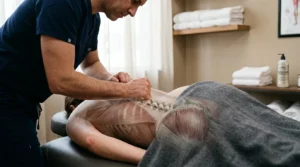
Deep tissue massage for sciatica uses slow, firm strokes and targeted deep pressure to reach the inner layers of muscle and connective tissue. It is especially beneficial for releasing chronic muscle tightness in the lower back, glutes, and hamstrings that continually pulls on your spine and hips.
2. Trigger Point & Neuromuscular Therapy
Sciatica trigger points are tight, tender knots in muscle fibers that send referred pain down the leg. Neuromuscular therapy isolates these precise points (such as those in the piriformis or gluteus medius) and applies concentrated finger pressure until the muscle knot releases.
3. Myofascial Release
Fascia is the continuous web of tough connective tissue surrounding your muscles. When restricted, fascia creates immense pressure on underlying nerves. Myofascial release involves gentle, sustained pressure to stretch and loosen this connective tissue, restoring proper movement across your lower back and pelvis.
4. Swedish Massage
If you are currently experiencing high sensitivity, deep pressure may feel too intense. Swedish massage uses lighter, rhythmic strokes, gentle kneading, and joint movement. It helps ease systemic tension, improves circulation, and prepares your body for deeper therapeutic work down the road.
5. Hot Stone Massage
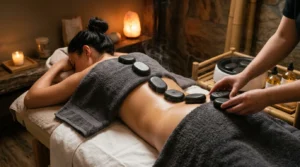
Hot stone massage places warmed basalt stones on strategic points of your back and hips. The heat penetrates deep into rigid muscle fibers, loosening stubborn tightness and increasing blood flow without requiring aggressive mechanical force.
Key Sciatica Pressure Points Your Massage Therapist Should Target
An effective sciatic pain relief massage focuses on specific kinetic zones rather than pressing directly on the painful nerve itself. Direct, heavy pressure on an inflamed nerve can aggravate symptoms, so targeting key sciatic nerve pressure points in the surrounding tissue is key.
Piriformis Muscle & Gluteal Complex
The piriformis muscle sits deep behind your main gluteal muscles. In up to 15% of people, the sciatic nerve actually runs directly through this muscle, making it the single most important massage area. Releasing tightness in the gluteus medius, gluteus minimus, and piriformis alleviates direct mechanical pressure on the nerve.
Lumbar Erector Spinae & Sacroiliac (SI) Joint Area
Muscle spasms in the lower back frequently lock up the sacroiliac joint, pulling the pelvis out of alignment and compressing nerve roots where they exit the lumbar spine (L4-S1). Working the lower back muscles helps restore pelvic balance.
Hamstrings & IT Band
Sciatic irritation often creates persistent tightness down the back of the thigh (hamstrings) and the outer leg (Iliotibial or IT band). Massaging these areas relieves pulling forces on the pelvis and hip joints, easing tension along the entire nerve pathway.
How to Massage Your Sciatic Nerve Area at Home (Self-Care Guide)
Professional sessions are ideal, but knowing how to massage sciatic nerve pressure points at home gives you reliable daily relief between therapy appointments.
The Tennis Ball / Lacrosse Ball Piriformis Release
Self-massage using a small ball is one of the most effective at-home techniques:
-
Sit on a firm floor or yoga mat with your knees bent and feet flat.
-
Place a tennis ball or lacrosse ball beneath your glute on the painful side.
-
Cross your leg on the affected side over the opposite knee to expose the deep piriformis muscle.
-
Slowly shift your weight until you find a tight spot or knot.
-
Pause and maintain gentle pressure for 30 to 60 seconds while taking slow, deep breaths. Avoid rolling directly onto sharp bone or directly onto an inflamed nerve.
Percussion Massage Gun Guidelines (Do’s and Don’ts Near Nerves)
A percussion massager for sciatic nerve discomfort can quickly relax tight surface muscles, provided it is used safely:
-
DO use low to medium speed settings on fleshy muscle areas like the glutes, outer thighs, and calves.
-
DO keep the massage head moving steadily across muscle bellies.
-
DON’T press the massager directly over the lower spine, tailbone, hip bones, or directly onto the sciatic notch.
-
DON’T use high speeds if you feel sharp, electric, or worsening pain.
Foam Rolling Techniques for Sciatica Relief
Using a foam roller for sciatica pain helps perform broad myofascial release across the glutes and thighs. Sit on the foam roller, lean slightly toward your painful hip, and roll slowly back and forth across your gluteal area. Keep movements controlled and avoid rolling down past your lower back.
Massage Oil & Topicals: Enhancing Relief with Deep Heat & Essential Oils
Combining manual massage with therapeutic topicals can amplify pain relief by targeting skin receptors and warming muscle tissue before manual pressure is applied.
-
Warming Liniments & Deep Heat Creams: Topicals containing menthol, camphor, or capsicum stimulate surface nerves, creating a heating or cooling sensation that temporarily interrupts internal pain signals.
-
Transdermal Magnesium Oil: Magnesium is a crucial mineral for natural muscle relaxation. Applying magnesium oil during a massage helps relax tight, spasming muscle tissue directly through the skin.
-
Essential Oils: Mixing carrier oils (like jojoba or sweet almond) with essential oils like lavender, peppermint, or eucalyptus aids smooth hand glides while reducing stress and local inflammation.
Pre- & Post-Massage Care: How to Avoid Flare-Ups
Many people ask: can massage help sciatica if my legs feel sore afterward? Yes, mild muscle soreness is normal, but taking proper pre- and post-massage steps ensures you do not trigger an acute flare-up.
What to Do Before Your Session
-
Hydrate Well: Well-hydrated muscles are more pliable and far less prone to cramping during deep tissue work.
-
Apply Warm Heat: A 10-minute warm shower or heating pad before your session warms muscle tissue, making massage more effective and comfortable.
-
Communicate: Clearly explain your pain path, triggers, and medical history to your therapist before they begin.
Post-Massage Guidelines
-
Hydrate to Flush Metabolic Waste: Drink plenty of water after your massage to help your circulatory system clear out waste products released from tight muscles.
-
Use Ice for Post-Massage Inflammation: If you feel tender or inflamed in your glutes or lower back after your session, apply an ice pack wrapped in a cloth for 15 minutes.
-
Avoid Heavy Strenuous Exercise: Give your muscles at least 24 hours to recover before engaging in intense workouts or heavy lifting.
-
Perform Gentle Range-of-Motion Stretches: Do light knee-to-chest stretches to keep your newly relaxed muscles loose.
Is It Safe? Red Flag Symptoms & Contraindications
While massage is safe for most people, there are specific situations where you must proceed with caution or avoid massage entirely. So, can massage help sciatica in every single case? No, acute inflammation and severe structural issues require caution.
When Massage Can Make Sciatica Worse
If you are dealing with a severe, acute herniated disc or active nerve root inflammation, heavy massage pressure directly on the lower back can aggravate the area. Always avoid aggressive deep pressure if it causes sharp, electric, or radiating pain down your leg.
Emergency Symptoms (Cauda Equina Syndrome)
Massage is contraindicated if you experience red flag symptoms that point to a serious neurological emergency known as Cauda Equina Syndrome. Seek immediate medical attention if you notice:
-
Loss of bowel or bladder control.
-
Sudden, progressive numbness in your inner thighs or groin area (saddle anesthesia).
-
Severe, rapidly worsening weakness in both legs that makes standing or walking impossible.
How Often Should You Get a Massage for Sciatica?
Finding the ideal treatment frequency depends on whether your pain is acute (sudden onset) or chronic (long-standing).
-
Acute Sciatica (First 1 to 2 Weeks): Focus on light, gentle sessions once a week paired with rest, ice, and medical self-care. Deep pressure should be avoided during acute spasms.
-
Sub-Acute Care (Weeks 3 to 6): Once sharp inflammation cools down, scheduling 1 to 2 targeted neuromuscular or deep tissue sessions per week can break down lingering muscle knots.
-
Maintenance Care: For chronic tightness or recurring piriformis issues, a maintenance massage every 3 to 4 weeks helps keep muscles relaxed and prevents future flare-ups.
Asking your doctor or physical therapist can massage help sciatica as part of your specific recovery plan can help you establish the safest, most effective routine.
FAQs
Can massage cause a sciatica flare-up?
Yes, if a therapist presses too hard directly on an inflamed sciatic nerve or uses overly aggressive deep tissue techniques during an acute painful state, it can temporarily irritate the nerve. Always speak up if pressure feels sharp or uncomfortable.
Is deep tissue massage bad for a pinched sciatic nerve?
Deep tissue massage is not inherently bad, but timing is everything. It is highly beneficial for chronic muscle tightness, but during acute inflammation, light surface massage or myofascial release is much safer.
Should I get a massage during an acute sciatica attack?
During the first 48 to 72 hours of severe pain, rest, cold therapy, and anti-inflammatory care are generally preferred. Gentle Swedish massage or light myofascial work is safe, but intense deep tissue work should wait until acute pain settles.
How do I tell my massage therapist where my sciatic pain is?
Trace the exact path of your discomfort for your therapist, starting from your lower back down into your glutes, hamstrings, or calves. Be sure to describe the type of sensation you feel, whether it is a dull ache, burning, or sharp shooting pain.
