
Introduction
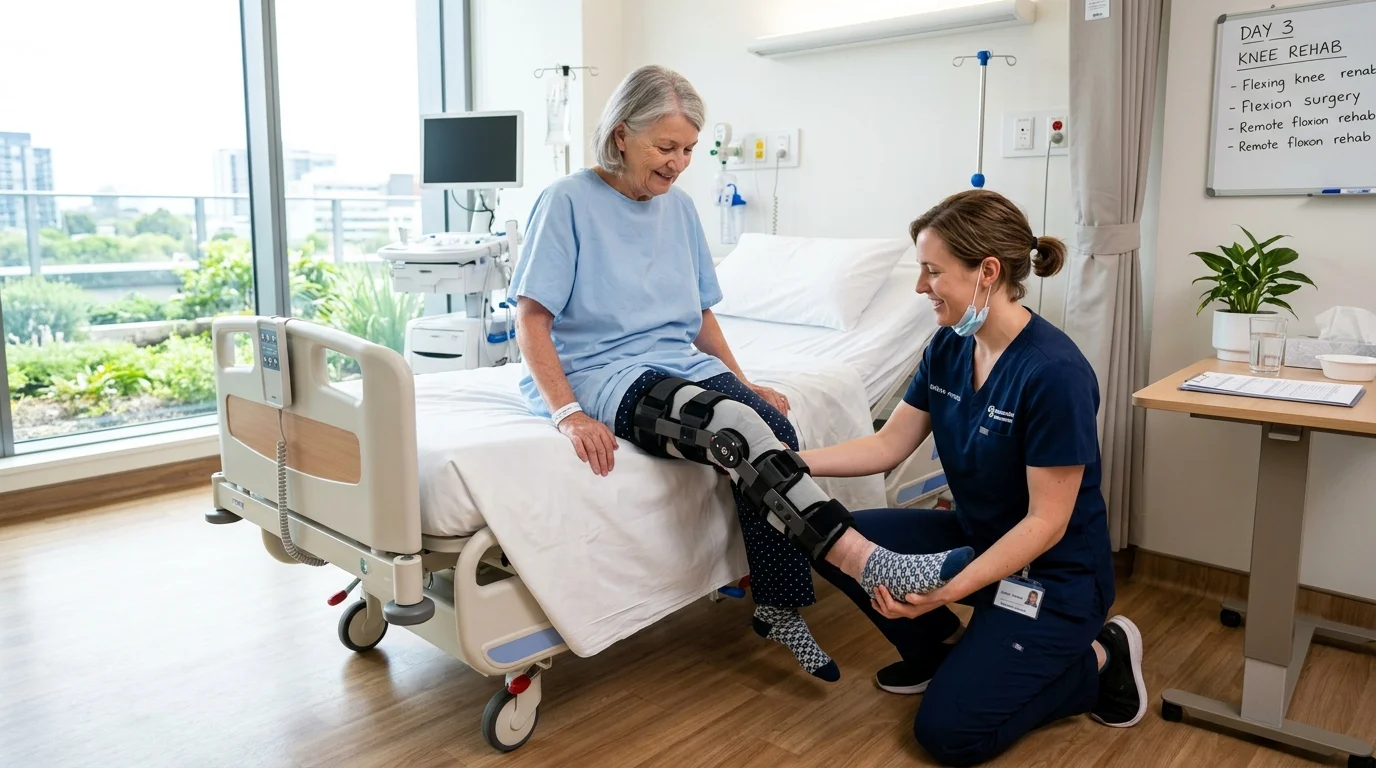
Top 5 mistakes after knee replacement can slow down your recovery, increase pain, and affect long-term mobility if not avoided properly during the healing process. It is a structured process that involves rebuilding strength, restoring mobility, and protecting the new joint from stress. Many patients face delays in recovery because they unknowingly make avoidable errors during this phase.
Understanding the top 5 mistakes after knee replacement helps you avoid stiffness, swelling, and long-term complications. Proper guidance can make a major difference in how quickly you return to normal walking and daily activities. This article explains the complete recovery system along with practical steps to support healing.
Understanding Knee Replacement Recovery Process
After surgery, your body goes through a healing journey that includes tissue repair, muscle activation, and joint adaptation. The implant needs time to adjust to surrounding muscles and ligaments. Recovery is divided into phases. In the early stage, the focus is pain control and gentle movement. In the middle stage, mobility improves with physiotherapy. In the final stage, strength and balance return gradually. Ignoring this structured process is one of the hidden reasons patients struggle. Many cases of slow recovery come from not understanding how the knee heals internally.
Mistake 1: Ignoring Structured Rehabilitation Plan
One of the top 5 mistakes after knee replacement is not following a proper rehabilitation plan. Physiotherapy is not optional. It is essential for restoring movement and preventing stiffness. When patients skip sessions or reduce exercises, scar tissue can form around the joint. This reduces flexibility and slows recovery.
A proper routine includes guided physiotherapy, home exercises, and gradual mobility training. Consistency is more important than intensity. Even simple daily movement supports long-term recovery.
Mistake 2: Unsafe Movement Patterns After Surgery
Another major issue is using the knee incorrectly during early recovery. Many patients sit in low chairs, twist the knee suddenly, or climb stairs without support. These movements can strain the healing joint and increase swelling. Poor posture also affects balance and stability. Safe movement includes slow walking with support, correct sitting posture, and controlled bending. Following physiotherapy instructions helps prevent unnecessary stress on the implant and reduces recovery setbacks.
Mistake 3: Poor Pain and Swelling Management
Pain and swelling are normal after surgery, but mismanagement can slow healing. Some patients ignore swelling, while others overuse pain medication without guidance. Ice therapy, elevation, and rest are important for reducing inflammation. If swelling increases instead of decreasing, it may indicate a complication.
This is where many cases related to top 5 mistakes after knee replacement become serious, because ignoring early signs can lead to infection or blood clot risks. Monitoring symptoms closely is essential.
Mistake 4: Lack of Home Environment Preparation
A safe home environment plays a major role in recovery. Many patients return to homes that are not adapted for limited mobility. Slippery floors, low beds, and unsafe bathrooms increase fall risk. Even small obstacles can cause serious injury during early recovery. Proper preparation includes raised seating, grab bars in bathrooms, clear walking paths, and stable furniture support. This reduces stress on the knee and builds confidence during movement.
Mistake 5: Returning to Normal Activities Too Early
Patients often feel improvement and assume they can return to normal life quickly. However, early return to driving, heavy work, or exercise can damage progress. The knee joint needs time to strengthen. Overuse in early stages increases pain and swelling and may delay full recovery. Following a gradual timeline is important. Light activity should increase step by step under professional guidance. Patience is key to long-term success.
Hidden Mistakes Most Patients Do Not Realize
Some recovery issues are not obvious at first. These include poor sleeping positions, sitting for long periods, and ignoring mental stress during recovery. Emotional recovery is also important. Anxiety or fear of movement can slow rehabilitation progress. Patients who stay active mentally and physically recover faster. Another overlooked factor is tracking daily improvement. Small progress updates help maintain motivation and identify issues early.
Complete Recovery Optimization Plan
A structured recovery plan improves healing speed and mobility outcomes. Physiotherapy should be followed daily with gradual progression. Exercises focus on bending, strengthening, and balance improvement. Walking should be increased slowly over time. Nutrition also supports healing. Protein-rich meals, hydration, and a balanced diet help tissue repair. Maintaining a healthy weight reduces stress on the knee joint. Sleep quality is equally important. Proper rest allows muscles and tissues to recover effectively.
Long-Term Knee Health After Replacement
Even after recovery, long-term care is necessary. The artificial joint is durable but still needs protection. Avoiding excessive weight gain, maintaining muscle strength, and staying active are important. Low-impact exercises like walking and swimming are usually safe. Patients should avoid high-impact sports unless approved by a doctor. Regular checkups help ensure the implant is functioning properly.
Warning Signs You Must Never Ignore
Some symptoms require immediate medical attention. These include severe swelling, redness, fever, or sudden increase in pain. Difficulty in movement or inability to bear weight may also indicate complications. Early diagnosis helps prevent serious issues.
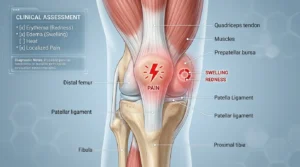
Monitoring these signs is essential during early recovery stages.
FAQs
What are the top 5 mistakes after knee replacement?
The top 5 mistakes after knee replacement include skipping physiotherapy, overexertion, ignoring pain and swelling, improper use of walking aids, and returning to normal activities too early.
How long does recovery take after knee replacement?
Recovery usually takes several weeks to months, depending on physiotherapy consistency and overall health condition.
Can walking damage a knee replacement?
Normal walking is safe, but excessive walking too early can slow healing and increase swelling.
When should physiotherapy start after surgery?
Physiotherapy usually starts immediately or within a few days after surgery under medical supervision.
What is the biggest mistake after knee replacement?
Skipping rehabilitation exercises is one of the most critical mistakes because it directly affects mobility and flexibility.
