
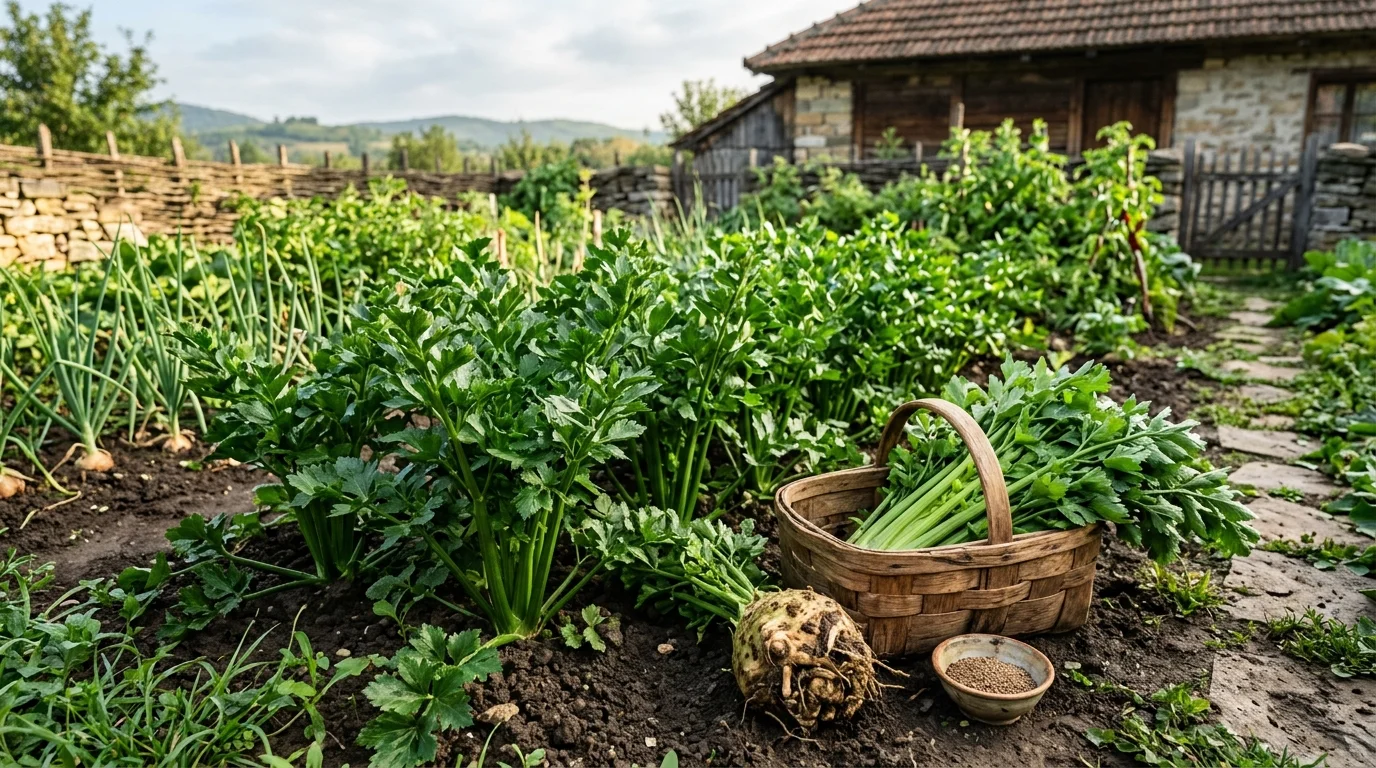
Walk into any modern supermarket, and the produce aisle presents neat, pale green celery stalks wrapped in plastic. They crunch pleasantly and deliver plenty of water, but they often lack the robust aroma and deep flavor that home cooks remember from traditional kitchens. This difference in flavor and substance is why many people seek out pravi celer. Rooted in South Slavic heritage and European garden culture, this term represents more than just a vegetable. It describes an authentic approach to food that celebrates the entire plant from root to seed.
1. What Does Pravi Celer Mean?
The phrase pravi celer originates from South Slavic languages, including Serbian, Croatian, and Bosnian. In these tongues, “pravi” translates directly to “real,” “true,” or “authentic,” while “celer” means celery.
Rather than describing an exotic new botanical species, the term emerged as a distinction. When mass-produced, mild cultivars flooded grocery stores, home cooks used this name to point back to the traditional, unadulterated plant. In Balkan cooking and across Eastern Europe, celery was never just a trimmed stalk used as a crunchy snack. It was an essential year-round aromatic whose leaves, bulbous root, ribs, and seeds went into family meals. When a recipe asks for pravi celer, it calls for that original, robust flavor profile where nothing is wasted.
2. Botanical Identity: The Three Varieties of Apium graveolens
All cultivated celery belongs to the species Apium graveolens, a member of the Apiaceae (carrot and parsley) family. The Latin species name graveolens translates to “heavy-scented,” which reflects the plant’s intense essential oils.
Depending on how the plant is selected and cultivated, it divides into three primary botanical varieties:
| Variety Name | Common Name | Primary Edible Part | Signature Culinary Profile |
|---|---|---|---|
| var. dulce | Stalk / Pascal Celery | Thick, succulent leaf ribs | Crisp, high water content, mild sweetness; ideal for raw eating and mirepoix bases. |
| var. rapaceum | Celeriac / Turnip-Rooted Celery | Swollen root hypocotyl | Earthy, nutty, dense texture; perfect for roasting, mashing, and winter stews. |
| var. secalinum | Leaf / Cutting Celery | Slender stems and dense foliage | Highly concentrated herbal aroma; best used fresh or dried like parsley. |
The main reason supermarket stalks taste mild compared to true garden cultivars comes down to breeding priorities. Commercial varieties favor water retention, uniform pale ribs, and low bitterness for shipping appeal. Traditional heirloom strains maintain dense cell walls and higher essential oil levels, which give real garden varieties their signature boldness.
3. Nutritional Biochemistry and Evidence-Based Health Benefits
Fresh garden celery is roughly 95% structured water, making it a naturally hydrating food that offers essential minerals without excess calories. A 100-gram serving provides about 14 to 16 calories, alongside dietary fiber, vitamin K, vitamin C, folate, and potassium.
Beyond vitamins, the health value of true celery stems from its bioactive phytochemicals:
-
3-n-Butylphthalide (NBP): This unique chemical compound gives celery its unmistakable smell. Scientific research indicates that NBP relaxes smooth muscle tissues in blood vessel walls, supporting healthy vasodilation and normal blood pressure.
-
Apigenin and Luteolin: These natural flavonoids act as powerful antioxidants. They help regulate inflammation markers and defend cells against oxidative stress.
-
Uric Acid Balance: Traditional herbalists long relied on wild celery and celery seeds to ease joint discomfort. Modern research suggests that seed extracts can help lower serum uric acid levels, which supports joint comfort.
-
Hydration and Digestion: The natural combination of water and insoluble fiber feeds beneficial gut bacteria and encourages regular digestion.
Whole Plant vs. Celery Juice: Making an Informed Choice
While celery juice has become a popular morning wellness trend, drinking strained juice removes the insoluble dietary fiber. Eating the whole plant keeps this fiber matrix intact, which moderates digestion and supports steady gut health. If you enjoy juicing, blending the whole ribs and leaves into a smoothie keeps those essential plant fibers intact.
4. Root-to-Leaf Culinary Guide: Zero-Waste Cooking
Using the whole plant turns every part of the harvest into a valuable kitchen asset.
-
The Deep Broth Foundation: In classic Balkan soups, chicken broths, and traditional French mirepoix or Italian soffritto, true celery acts as an indispensable flavor pillar. Dicing both the root and stalks into onions and carrots creates a rich aromatic base that supermarket stalks cannot match.
-
Classic Céleri Rémoulade: Peel the rough outer skin of the celeriac root, grate the white interior into fine strips, and toss it with Dijon mustard, mayonnaise, lemon juice, and black pepper for this crisp French bistro salad.
-
Homemade Mineral Celery Salt: Never toss out the leaves. Dehydrate green leaves in a low-temperature oven or food dehydrator until brittle, then grind them with natural sea salt. This creates a versatile seasoning known in regional kitchens as homemade green spice.
-
Earthy Whole Seeds: Harvest the small seeds from second-year flower heads. A pinch of crushed seeds adds depth to pickling brines, hearty tomato sauces, and dry rubs for roasted meats.
5. Critical Safety Precautions, Allergies, and Side Effects
While eating standard culinary portions of celery is completely safe for most people, certain health and handling factors deserve careful attention:
-
Severe Food Allergies: Celery is a recognized major allergen across the European Union. Proteins such as Api g 1 and Api g 4 can trigger oral allergy symptoms, skin hives, or dangerous anaphylaxis in sensitive individuals, particularly those with birch or mugwort pollen sensitivities.
-
Phytophotodermatitis: Celery leaves contain natural defense chemicals called psoralens and furanocoumarins. When harvesting or handling foliage on sunny afternoons, these compounds can transfer to bare skin. Ultraviolet sunlight activates the compounds, causing skin redness, blistering, or dark patches. Always wear garden gloves and long sleeves when picking leaves in direct sun.
-
Oxalate Awareness: Celery contains natural oxalates. People with a history of calcium oxalate kidney stones should enjoy it in moderate food amounts rather than consuming concentrated raw juices daily.
-
Pregnancy and Medication Notes: Concentrated celery seed extracts or medicinal oils can stimulate uterine muscles and should not be used as supplements during pregnancy. Because celery provides vitamin K, anyone on prescription blood thinners should keep their vegetable intake steady rather than making drastic dietary shifts.
6. How to Grow Pravi Celer: The Complete Gardening Blueprint
Growing authentic celery requires patience, rich soil, and consistent moisture. Because the seeds are tiny and photoblastic, they need light exposure and warmth to sprout successfully.
-
Starting Seeds Indoors: Start seeds 10 to 12 weeks before your last expected spring frost. Soak the seeds in room-temperature water for 12 hours to soften their outer shells. Surface-sow them over finely sifted, damp seed compost, pressing them gently without covering them with soil, as they require light to germinate. Maintain temperatures between 15°C and 21°C (60°F to 70°F).
-
Soil Requirements and Planting Out: Celery is a heavy feeder that thrives in fertile, loamy soil with a pH between 6.0 and 7.0. Work plenty of aged compost or well-rotted manure into your garden beds. Transplant seedlings outdoors when night temperatures reliably stay above 10°C (50°F), spacing plants 25 to 30 cm apart.
-
Moisture Management: The root system is shallow and cannot tolerate dry soil. Water deeply two to three times each week, and apply a thick layer of clean straw mulch around the base of the plants to lock in soil moisture and prevent stress-induced hollow stalks.
-
The Blanching Technique: If you prefer sweeter, less bitter stalks, exclude light from the ribs two to three weeks before harvesting. Wrap the outer stems with unbleached paper or cardboard, leaving the top green leaves exposed to the sun.
-
Companion Planting: Grow celery alongside brassicas (such as cabbage and broccoli), leeks, onions, and bush beans. The natural aroma of alliums helps deter pests, while celery helps repel cabbage white butterflies.
7. Harvesting and Long-Term Winter Storage
For the crispest texture, cut outer stalks early in the morning when the plant cells are fully hydrated. Celeriac roots can remain in garden soil through light autumn frosts, which actually helps convert starches into natural sugars.
To preserve whole celeriac roots through winter without losing moisture:
-
Lift the roots on a dry day and trim the green leaves down to 3 cm above the crown.
-
Gently brush off loose garden dirt, leaving the rough outer skin unwashed.
-
Place the roots upright in wooden crates filled with clean, slightly damp sand or wood shavings.
-
Store the crates in a cool basement or root cellar at 0°C to 4°C (32°F to 40°F). Stored this way, the roots stay firm, crisp, and fresh for up to five months.
FAQs
Can you eat the root of pravi celer raw?
Yes. Once you peel away the rough, fibrous outer skin, the raw white root is crisp, juicy, and nutty. It works wonderfully when grated raw into slaws or sliced thin for vegetable platters.
Why does homegrown celery taste more bitter than store-bought stalks?
Garden celery develops higher concentrations of aromatic compounds, protective terpenes, and minerals. If summer heat rises or soil dries out, bitterness increases. Blanching the stalks before harvest and maintaining regular watering keeps the flavor balanced.
What is the main botanical difference between stalk celery and celeriac?
Both plants belong to the same species, Apium graveolens. Stalk celery (var. dulce) has been selected over centuries to produce thick, juicy leaf ribs, whereas celeriac (var. rapaceum) has been bred to grow a large, round edible root ball.
Can handling celery leaves cause skin irritation in the sun?
Yes. Celery foliage contains natural furanocoumarins. When plant sap gets onto bare skin and reacts with direct sunlight, it can cause a condition called phytophotodermatitis, leading to red rashes and blisters. Wearing gardening gloves prevents this reaction entirely.
