
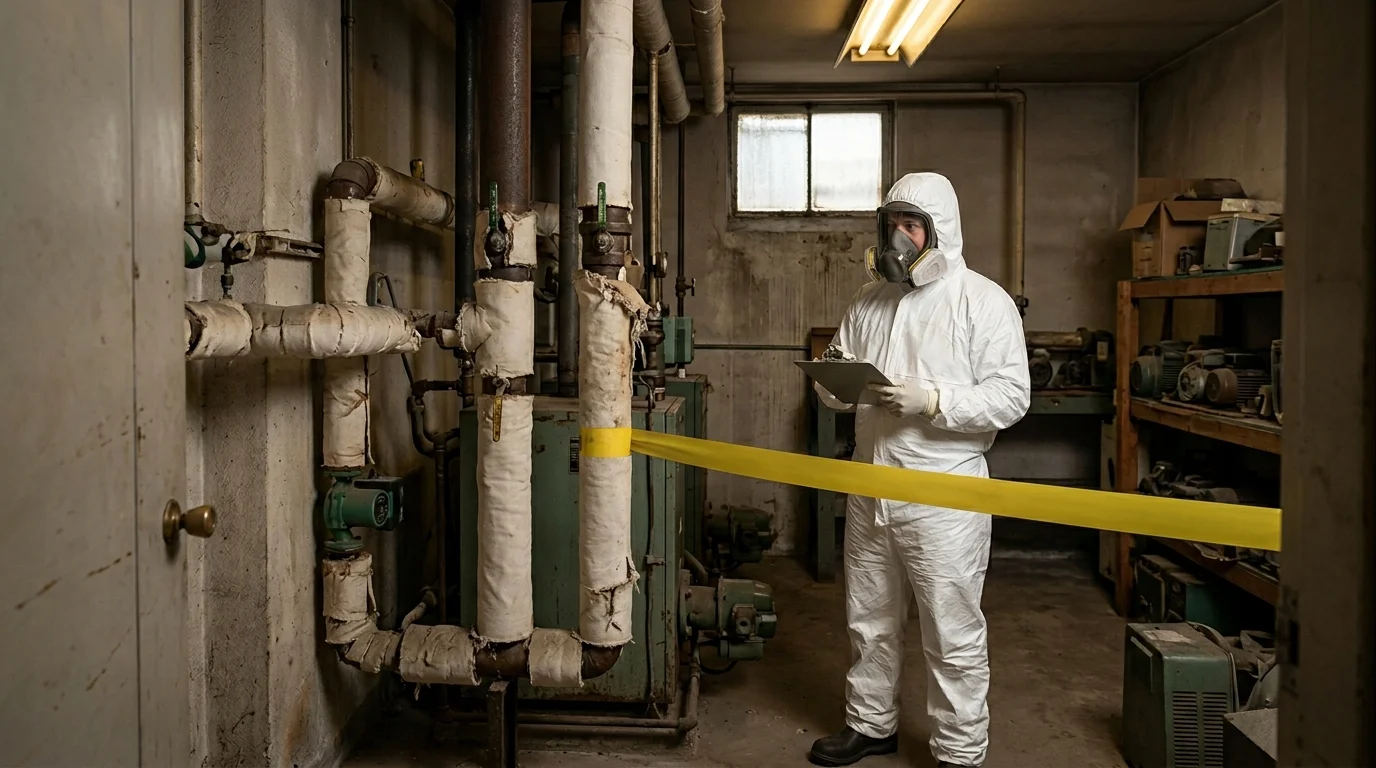
If you searched for asbestlint, you are probably trying to understand whether a strange fibrous material, dust, tape or warning label is connected to asbestos. That concern is serious. Asbestos is not something to guess about, especially in older buildings, renovation areas, pipe insulation, or industrial spaces.
The confusing part is that asbestlint can mean different things depending on the context. Some people use it to describe asbestos lint or tiny asbestos fibers. Others use it for old asbestos tape, asbestos rope, asbestos cloth or asbestos ribbon found around pipes and heating systems. In Dutch product searches, it may also be confused with asbest afzetlint, which is modern asbestos warning tape used to mark a danger zone.
This guide explains the meaning, health risks, common locations, testing process, and safe next steps. The goal is simple: help you understand the risk without making unsafe assumptions.
What Does Asbestlint Mean?
Asbestlint is not always used as a strict technical term. In many cases, it is an informal search term people use when they see a lint-like, cloth-like or tape-like material that may contain asbestos.
The word may point to three different things:
- Fine asbestos fibers or dust released from damaged asbestos-containing materials.
- Old asbestos tape, asbestos rope, asbestos cloth or asbestos ribbon used for heat resistance.
- Modern asbestos warning tape, also called asbest afzetlint, used to mark areas where asbestos work or asbestos waste is present.
This is why a good answer cannot treat the term as one simple object. The real question is not only “what is this material?” The safer question is “could this material contain asbestos, and what should I do before touching it?”
Asbestlint vs Asbestos Tape vs Asbest Afzetlint
The most important difference is between hazardous asbestos-containing material and modern warning tape. Old asbestos tape or asbestos rope may contain asbestos fibers. These materials were often used because asbestos resisted heat, fire and chemical damage. You may find them around heating pipes, boiler joints, furnace ducts, HVAC systems, industrial equipment or old appliances.
Asbest afzetlint is different. It usually means plastic warning tape with asbestos-related text or markings. It is used to block off an area, label asbestos waste or warn people not to enter a contaminated zone. The warning tape itself is usually not the same as old asbestos-containing tape.
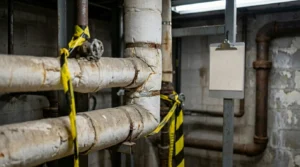
Asbestlint can also be used by people who mean loose asbestos lint or dust. This is a serious concern because airborne asbestos fibers can be inhaled. If the material is damaged, powdery, crumbling or disturbed, the risk can increase.
Why Asbestos Lint Can Be Dangerous
Asbestos is dangerous mainly when fibers are released into the air and breathed in. These fibers can be extremely small. You may not see them, smell them or feel them at the time of exposure. Health problems linked to asbestos exposure can take many years to appear. The most serious diseases include asbestosis, lung cancer and mesothelioma. This is why even a small suspicious material should be handled with caution.
The danger becomes higher when asbestos-containing materials are cut, drilled, sanded, scraped, broken, swept or vacuumed. Renovation and demolition work can turn a stable material into airborne contamination within minutes.
Where This Material or Asbestos Tape May Be Found
Asbestlint may be suspected in older buildings where fibrous or tape-like materials appear near heat, pipes or insulation. Common locations include boiler rooms, hot water pipes, steam pipes, pipe elbows, duct connectors, furnace ducts and mechanical rooms.
It may also appear near ceiling tiles, floor tiles, roofing materials, insulation boards, fireproofing materials, wall cavities, attics, crawl spaces and utility areas. In industrial settings, similar materials may be found around machinery, electrical insulation, shipyard equipment, factory systems or older high-temperature installations.
Building age matters. Many countries restricted or banned asbestos decades ago, but older homes, public buildings, factories and commercial properties may still contain asbestos-containing materials. If the property is old and the material is unknown, treat it as suspicious until testing proves otherwise.
Can You Identify It by Looking at It?
You cannot confirm asbestos by appearance alone. That is one of the biggest mistakes homeowners and DIY renovators make. Possible warning signs include white or gray woven tape, dirty bandage-like pipe wrap, powdery insulation, cracked coatings, crumbly edges or dust near old heating systems. But these signs are not proof. Fiberglass, mineral wool, cotton wrap and other materials can look similar.
Online photos can also mislead people. A material may look harmless and still contain asbestos. Another material may look scary but test negative. The only reliable answer comes from professional inspection and laboratory testing.
What Should You Do If You Find a Suspected Material?
If you find suspected asbestlint, stop work immediately. Do not cut, drill, scrape, brush, sweep or vacuum the material. Do not pull it off a pipe or remove it from a wall cavity just to check what it is. Keep people away from the area, especially children, pets, tenants and unprotected workers. If safe, reduce air movement by turning off fans or HVAC systems that could spread dust. Do not create more movement around the material.
Take photos from a safe distance if needed for documentation. Then contact a certified asbestos inspector or licensed asbestos removal professional. A proper professional can decide whether material testing, air testing, encapsulation or removal is needed.
How Asbestos Testing Works
Testing usually starts with a visual inspection and risk assessment. The inspector looks at the material, its condition, the building age, the location and whether renovation or demolition work is planned. If sampling is needed, it should be done in a controlled way to avoid unnecessary fiber release. The sample is then sent to a laboratory. Lab testing can confirm whether the material contains asbestos and sometimes identify the asbestos type.
Material testing and air testing are not the same. Material testing checks whether a product contains asbestos. Air testing checks whether fibers are present in the air. In some cases, both may be needed, especially after disturbance or removal work.
Can You Remove It Yourself?
Do not treat asbestos removal like normal cleaning or DIY repair. If asbestlint is actually asbestos tape, asbestos rope, friable insulation or contaminated dust, removing it without proper controls can spread fibers through the building. Ordinary masks, household vacuums and simple plastic bags are not enough. Professional asbestos abatement may involve containment barriers, negative air pressure, protective clothing, respirators, HEPA filtration, wet removal methods, sealed waste packaging and legal disposal procedures.
In some places, limited homeowner removal may be allowed under strict rules. In many situations, certified removal is required. Local regulations decide what is legal, but from a health perspective, professional handling is the safer choice.
Renovation Safety Checklist
Before renovating an older building, check for unknown insulation, pipe wrap, ceiling boards, floor tiles, roofing sheets and fireproofing materials. If anything looks fibrous, chalky, woven, cracked or powdery, do not disturb it. During renovation, stop immediately if suspicious material appears behind walls, around pipes, inside ducts or under old flooring. Do not continue work just because the area looks small. Small disturbances can still release fibers.
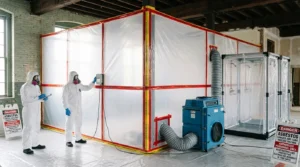
After suspicion, document the location, keep the area controlled and arrange professional inspection. This step may feel inconvenient, but it is cheaper and safer than spreading asbestos contamination through a home or workplace.
Common Myths About This Material
One myth is that asbestos is safe if you cannot see dust. That is false. Airborne asbestos fibers may be too small to see. Another myth is that a normal vacuum can clean asbestos dust. This is dangerous because a household vacuum can spread tiny fibers back into the air.
Some people think painting over asbestos always solves the problem. Encapsulation can be useful in certain cases, but it must be assessed properly and done with suitable products. Ordinary paint is not a guaranteed safety solution. Another myth is that all white pipe tape is asbestos. That is also not true. Some white pipe wraps are asbestos-free. The point is not to panic or guess. The point is to test before touching.
Safer Modern Alternatives to Asbestos Materials
Modern buildings use safer materials for insulation, fire resistance and heat protection. These may include fiberglass insulation, mineral wool, rock wool, glass wool, ceramic fiber products, polyurethane foam and high-temperature synthetic textiles. These alternatives exist because asbestos created serious long-term health problems. If old asbestos-containing material is removed, the replacement should be chosen according to heat rating, fire resistance, moisture conditions and building rules.
FAQs
What is asbestlint in simple words?
It is a term people may use for asbestos lint, old asbestos tape or rope, or asbestos warning tape. The meaning depends on the situation.
Is it dangerous?
It can be dangerous if it refers to loose asbestos fibers, damaged asbestos tape or asbestos-containing insulation. The main risk is inhaling airborne asbestos fibers.
Is it the same as asbestos tape?
Not always. It may refer to asbestos tape, but it may also mean lint-like fibers or asbest afzetlint, which is warning tape used around asbestos areas.
Can I recognize asbestos tape by looking at it?
No. Appearance can raise suspicion, but it cannot confirm asbestos. Professional testing is needed.
What should I do if I find white tape on old pipes?
Do not touch it. Keep the area undisturbed and contact an asbestos inspector, especially if the building is old or the tape is damaged.
Can I vacuum asbestos dust?
No. A normal vacuum can spread fibers. Suspected asbestos dust should be handled by trained professionals using proper equipment.
Conclusion
Asbestlint is a confusing term, but the safety message is clear. It may refer to asbestos lint, old asbestos tape, asbestos rope, asbestos cloth or modern asbestos warning tape. The risk depends on what the material actually is, where it is located and whether it has been disturbed.
Do not rely on a visual guess. Do not sweep, vacuum, cut or remove suspicious fibrous material yourself. If asbestos is possible, stop work, keep the area controlled and arrange proper testing or professional asbestos removal.
