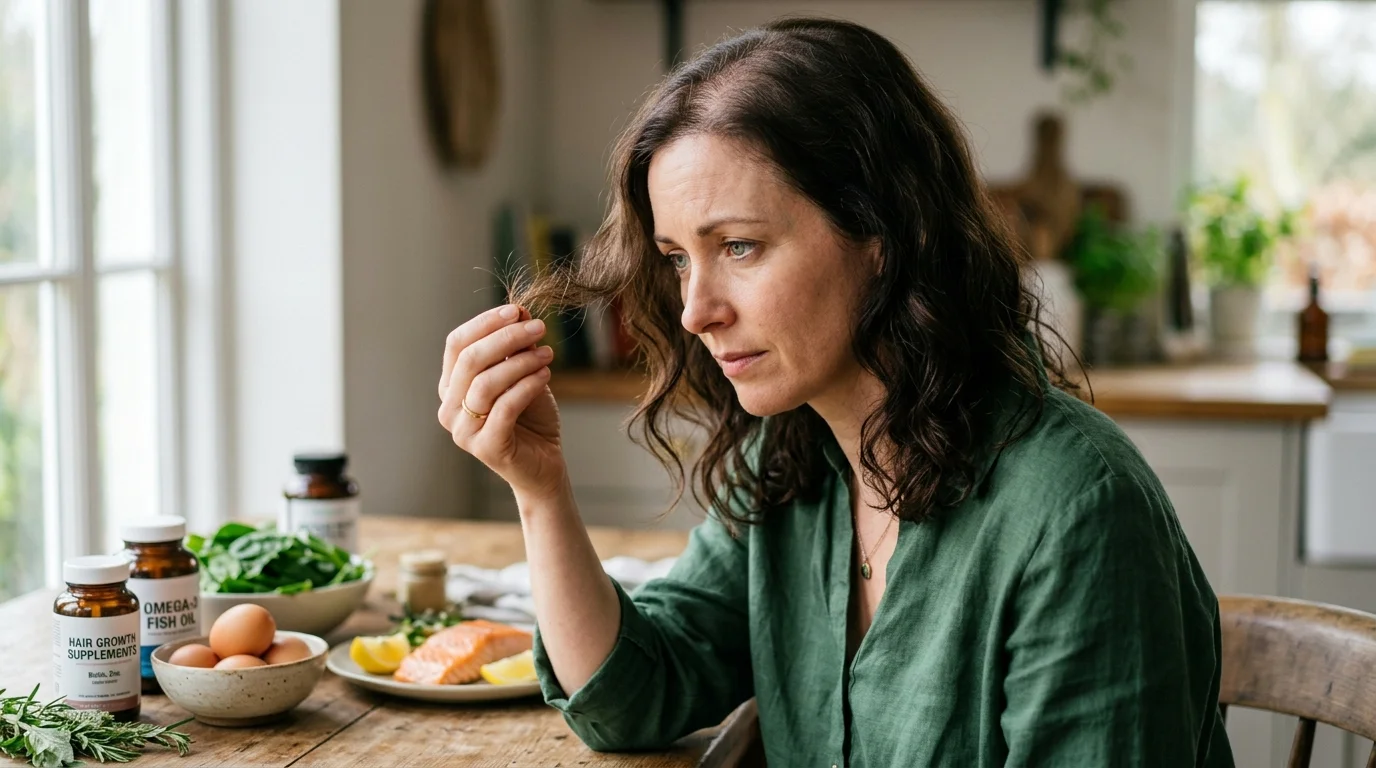
Hair shedding can happen for many reasons, but nutritional deficiencies are often overlooked. If you have noticed thinning hair, brittle strands, or excessive shedding, you may be wondering which vitamin deficiency causes hair loss and whether the problem can be reversed naturally.
Several nutrient deficiencies are linked to hair thinning, including low levels of vitamin D, iron, biotin, zinc, vitamin B12, and folate. These nutrients support healthy hair follicles, scalp circulation, and the hair growth cycle. Consequently, when the body lacks essential vitamins and minerals, hair may become weak, dry, and more likely to fall out. Fortunately, nutrient-related hair loss is often temporary. With the right diet, proper supplementation, and medical guidance, many people notice healthier hair growth and reduced shedding over time. In addition, early treatment may help prevent long-term damage to hair follicles.
How Vitamins and Nutrients Affect Hair Growth
Hair follicles are among the most active structures in the body. Therefore, they require a steady supply of nutrients to support healthy hair growth and maintain strong strands. When vitamin deficiency hair loss occurs, the hair growth cycle becomes disrupted. In many cases, follicles enter the resting phase too early, which leads to increased shedding and slower regrowth. Furthermore, deficiencies can weaken keratin production, reduce scalp circulation, and increase inflammation around the follicles.
Understanding the Hair Growth Cycle
Hair grows in three main stages:
- The anagen phase, which is the active growth stage
- The catagen phase, which is the transition stage
- Telogen phase, which is the resting and shedding stage
However, nutrient deficiencies can shorten the growth phase and increase telogen shedding. As a result, many people experience diffuse thinning instead of isolated bald patches. This condition, known as telogen effluvium, is commonly linked to stress, illness, poor nutrition, or sudden dietary changes.
Why Hair Follicles Need Proper Nutrition
Healthy hair follicles need vitamins, minerals, protein, and oxygen-rich blood flow to function properly. In particular, nutrients such as iron, vitamin D, biotin, and zinc help maintain the scalp environment and support healthy hair follicles.
Without proper nutrition, the body prioritizes essential organs over hair growth. Consequently, the follicles receive fewer nutrients, which may cause diffuse hair thinning and excessive hair fall. Over time, poor nutrient absorption can also weaken hair texture and slow regrowth.
Top Vitamin Deficiencies That Cause Hair Loss
Many people searching for which vitamin deficiency causes hair loss are surprised to learn that several deficiencies may contribute to thinning hair rather than a single nutrient alone.
Vitamin D Deficiency and Hair Loss
Vitamin D deficiency is one of the most common causes of hair thinning. Since vitamin D helps regulate hair follicle cycling, low levels may weaken the follicles and slow down healthy growth. Research has linked low vitamin D levels to alopecia, diffuse thinning, and excessive hair shedding. Moreover, people who spend little time in sunlight or follow restrictive diets are more likely to develop this deficiency. In some cases, low vitamin D may also affect immune function and scalp health.
Symptoms of Low Vitamin D
- Fatigue
- Muscle weakness
- Hair shedding
- Mood changes
- Weak immune function
Best Sources of Vitamin D
To improve vitamin D levels naturally, consider adding these foods to your diet:
- Fatty fish
- Egg yolks
- Fortified dairy products
- Safe sunlight exposure
Iron Deficiency Hair Loss
Iron deficiency hair loss is especially common in women. Iron helps red blood cells deliver oxygen to hair follicles. As a result, low iron levels can weaken follicles and reduce healthy hair growth. Low ferritin levels are frequently associated with sudden hair thinning and chronic shedding. Furthermore, people with anemia often experience brittle hair and fatigue at the same time. For this reason, doctors commonly recommend ferritin testing for persistent hair loss.
Signs of Low Iron Levels
- Pale skin
- Fatigue
- Dizziness
- Brittle nails
- Weak hair growth
Foods Rich in Iron
Fortunately, many iron-rich foods can help improve nutrient levels naturally:
- Spinach
- Lentils
- Red meat
- Pumpkin seeds
- Beans
Ferritin deficiency hair loss often improves once iron stores return to healthy levels. Nevertheless, recovery may take several months depending on the severity of the deficiency.
Biotin Deficiency and Hair Thinning
Biotin is a B vitamin that supports keratin production. Although severe biotin deficiency is uncommon, low levels can contribute to weak strands and brittle hair. People following highly restrictive diets may be at greater risk. Likewise, digestive conditions that affect nutrient absorption can lower biotin levels over time.
Symptoms of Biotin Deficiency
- Hair breakage
- Brittle nails
- Dry skin
- Hair thinning
Natural Sources of Biotin
You can naturally increase biotin intake through foods such as:
- Eggs
- Nuts
- Sweet potatoes
- Seeds
- Salmon
Many hair supplements contain biotin for hair growth. However, supplementation works best when a real deficiency exists. Otherwise, unnecessary supplementation may provide little benefit.
Vitamin B12 Deficiency and Hair Shedding
Vitamin B12 supports healthy red blood cell formation and oxygen delivery throughout the body. Therefore, a deficiency may reduce blood flow to the scalp and weaken hair follicles over time. People following vegetarian or vegan diet are more likely to experience vitamin B12 deficiency. Similarly, digestive disorders can affect nutrient absorption and contribute to low B12 levels.
Common symptoms include:
- Fatigue
- Brain fog
- Weakness
- Hair shedding
- Tingling sensations
In severe cases, low vitamin B12 levels may also affect nerve health and energy production.
Zinc Deficiency and Weak Hair Follicles
Zinc plays an important role in tissue repair, scalp health, and immune function. Because of this, zinc deficiency symptoms, such as hair problems, may include thinning edges, excessive shedding, and a dry scalp. Over time, low zinc levels may worsen scalp inflammation and damage follicle health. Additionally, zinc deficiency may slow tissue repair and weaken overall hair quality.
Vitamin C Deficiency and Brittle Hair
Vitamin C helps the body absorb iron and protects hair follicles from oxidative stress. In addition, it supports collagen production, which is important for stronger hair structure. Low vitamin C intake may lead to dry and brittle hair, weak strands, and poor scalp circulation. Therefore, eating vitamin C rich foods regularly may support stronger hair growth.
Folate Deficiency and Hair Health
Folate supports healthy cell turnover and tissue growth. Therefore, low folate levels may contribute to slow hair growth and increased shedding. This deficiency is more common in people with poor dietary habits or digestive absorption issues. Moreover, chronic nutrient deficiencies may affect multiple aspects of scalp and hair health.
Protein Deficiency and Hair Loss
Protein deficiency hair loss is another overlooked issue. Since hair is primarily made of keratin, the body needs adequate protein intake to maintain healthy strands.
Without enough dietary protein, hair may become thin, weak, and fragile. Fortunately, adding more protein rich foods to your meals can support stronger hair growth. At the same time, balanced nutrition may improve overall scalp health.
Good protein sources include:
- Eggs
- Fish
- Greek yogurt
- Chicken
- Beans
- Lentils
Signs Your Hair Loss May Be Caused by Nutrient Deficiencies
People often ask how to know if hair loss is nutritional. Typically, nutrient related hair loss develops gradually and affects overall hair density rather than causing isolated bald spots.
Common signs include:
- Diffuse hair thinning
- Increased shedding while brushing
- Slow hair growth
- Brittle hair
- Dry scalp
- Weak nails
- Fatigue
- Pale skin
If several of these symptoms appear together, nutritional deficiencies causing hair loss may be worth investigating. In addition, sudden dietary changes and crash dieting can increase the risk of deficiencies.
Can Hair Grow Back After Correcting Vitamin Deficiencies?
Yes, in many cases, hair regrowth is possible once the deficiency is corrected. This is one reason many people search for which vitamin deficiency causes hair loss because they want to know whether recovery is realistic. Once nutrient levels improve, hair follicles often recover gradually. As a result, shedding may decrease while thickness and growth slowly improve. Still, patience is important because hair regrowth takes time.
How Long Does Recovery Usually Take
Hair regrowth timelines vary depending on the severity of the deficiency and overall health. For example, many people notice:
- Reduced shedding within 2 to 3 months
- Improved thickness within 4 to 6 months
- Healthier growth over longer periods
Factors That Affect Hair Regrowth
Several factors influence recovery, including:
- Diet quality
- Stress levels
- Hormonal balance
- Genetics
- Sleep quality
- Underlying medical conditions
In addition, consistent nutrition and proper scalp care may support better long-term results.
When Hair Loss May Become Permanent
In some situations, long-term untreated deficiencies or genetic hair loss conditions may lead to permanent follicle damage. Therefore, early diagnosis and treatment are extremely important. Seeking medical advice early may also help identify hidden health conditions.
Blood Tests That Help Identify Hair Loss Deficiencies
Blood tests can help identify deficiencies linked to hair thinning and excessive shedding.
Doctors may recommend:
- Ferritin test
- Vitamin D test
- Vitamin B12 test
- Zinc levels
- Complete blood count
- Thyroid function testing
These tests can help determine the root cause of sudden hair loss and vitamin deficiency issues. In addition, they help rule out hormonal or autoimmune conditions that may affect scalp health.
Best Foods for Healthy Hair Growth
A balanced diet remains one of the best ways to support hair health naturally. Furthermore, nutrient-rich foods help strengthen hair follicles from within.
Foods Rich in Vitamin D

- Salmon
- Sardines
- Egg yolks
- Fortified milk
Iron Rich Foods
- Spinach
- Lentils
- Red meat
- Tofu
Protein Sources for Hair Strength
- Eggs
- Chicken
- Greek yogurt
- Fish
Omega-3 Foods for Scalp Health
Omega-3 fatty acids support scalp hydration and may reduce inflammation linked to hair shedding.
Good sources include:
- Walnuts
- Chia seeds
- Salmon
- Flaxseeds
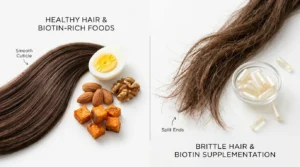
Additionally, omega-3 fats may improve scalp circulation and support healthier hair texture.
Should You Take Supplements for Hair Loss?
Supplements may help when a confirmed deficiency exists. However, taking excessive vitamins without testing can sometimes make hair issues worse.
When Supplements Can Help
If blood tests show low nutrient levels, supplements may support recovery. Iron, vitamin D, zinc, and biotin supplements are commonly recommended for deficiency-related hair thinning.
Risks of Overusing Vitamins
Excess supplementation can be harmful. For instance, high doses of certain vitamins may cause nausea, digestive upset, or even increased hair shedding.
Can Too Much Vitamin A Cause Hair Loss?
Yes, excessive vitamin A intake can trigger hair loss. Therefore, balanced supplementation is always safer than self-medicating with large doses. Whenever possible, seek professional advice before starting supplements.
Other Causes of Hair Loss Besides Vitamin Deficiency
Although many people focus on which vitamin deficiency causes hair loss, nutritional problems are not the only cause.
Other possible causes include:
- Stress
- Hormonal imbalances
- Thyroid disorders
- Postpartum hair loss
- Genetics
- Autoimmune conditions
- Certain medications
In some cases, female pattern hair loss and androgenetic alopecia may also contribute to gradual thinning. Consequently, identifying the exact cause is important for proper treatment.
How to Prevent Nutrient-Related Hair Loss Naturally
Healthy lifestyle habits can support stronger hair growth and reduce the risk of deficiencies.
Helpful habits include:
- Eating nutrient-rich foods
- Managing stress
- Staying hydrated
- Sleeping well
- Avoiding crash diets
- Reducing heat styling
- Maintaining scalp health
Additionally, regular exercise and balanced meals may improve scalp circulation and nutrient absorption. At the same time, reducing processed foods may support better overall health.
When to See a Doctor About Hair Loss
You should consider medical advice if you experience:
- Sudden excessive shedding
- Bald patches
- Persistent thinning
- Fatigue with hair loss
- Scalp pain or inflammation
- Hair loss lasting several months
A healthcare professional can help identify whether deficiencies, hormones, or medical conditions are contributing to the issue. More importantly, early treatment may improve long-term hair recovery.

FAQs
Which vitamin deficiency causes the most hair loss?
Vitamin D deficiency and iron deficiency are among the most common nutritional causes of hair loss and thinning hair.
Can low vitamin D cause thinning hair?
Yes, low vitamin D levels may weaken hair follicles and disrupt the normal hair growth cycle.
Can hair loss from low iron be reversed?
In many cases, iron deficiency hair loss improves after iron levels and ferritin stores return to normal.
What is the best vitamin for hair growth?
There is no single best vitamin for everyone. Instead, vitamin D, biotin, iron, zinc, and vitamin B12 all support healthy hair growth.
How do I know if my hair loss is nutritional?
Symptoms such as fatigue, brittle nails, diffuse thinning, and poor diet quality may suggest nutrient-related hair loss.
Conclusion
Hair health depends heavily on proper nutrition, balanced lifestyle habits, and overall wellness. If you have been wondering which vitamin deficiency causes hair loss, the most common deficiencies include vitamin D, iron, biotin, zinc, vitamin B12, and folate.
Identifying the root cause is essential because healthy hair follicles rely on a steady supply of nutrients to grow properly. In many cases, improving nutrient levels through diet, medical guidance, and healthy habits can support stronger, healthier hair over time.
