
Vitamin C is one of the most widely known nutrients in the world. Many people associate it with citrus fruits, immune support, and protection against illness. However, this important nutrient offers far more benefits than most people realize. Understanding vitamin C sources, benefits, and risks helps people make better dietary choices and maintain good health.
Vitamin C, also known as ascorbic acid, was officially discovered in 1932. Long before scientists identified it, sailors noticed that eating citrus fruits helped prevent scurvy. Scurvy caused bleeding gums, weakness, and serious health problems during long sea voyages. When sailors began consuming lemons and oranges, the disease almost disappeared.
Today, scurvy is rare because vitamin C is easily available through food. Even so, the nutrient remains essential for maintaining strong immunity, healthy skin, and proper body function. Learning about vitamin C sources, benefits risks can help you ensure that your body gets the right amount every day.
What Is Vitamin C
Vitamin C is a water-soluble vitamin that plays a crucial role in many body processes. Unlike some nutrients, the human body cannot produce or store vitamin C. Because of this, people must obtain it regularly through food or supplements.
The nutrient acts as a powerful antioxidant. Antioxidants protect the body from harmful molecules known as free radicals. These molecules can damage cells and contribute to aging and chronic diseases. By neutralizing free radicals, vitamin C helps protect tissues and supports overall health.
In addition, vitamin C helps the body produce collagen. Collagen is a protein responsible for maintaining skin structure, supporting joints, and strengthening blood vessels. Without enough vitamin C, the body cannot create collagen properly, which can lead to skin problems and slower healing.
History of Vitamin C and Scurvy
The connection between vitamin C and scurvy dates back centuries. During the seventeenth and eighteenth centuries, sailors spent months at sea without fresh fruits or vegetables. As a result, many developed scurvy, which caused bleeding gums, tooth loss, fatigue, and skin sores.
Eventually, sailors discovered that eating citrus fruits prevented the disease. Lemons, oranges, and limes became standard supplies on ships. Although they did not understand the science at the time, these fruits contained high amounts of vitamin C.
Scientists later identified the nutrient responsible for preventing scurvy. In 1932, vitamin C was officially discovered and named ascorbic acid. Since then, research has continued to explore the many health benefits of this essential nutrient.
Common Sources of Vitamin C
One of the best ways to maintain good health is by consuming foods rich in vitamin C. Fortunately, many fruits and vegetables provide excellent amounts of this nutrient.

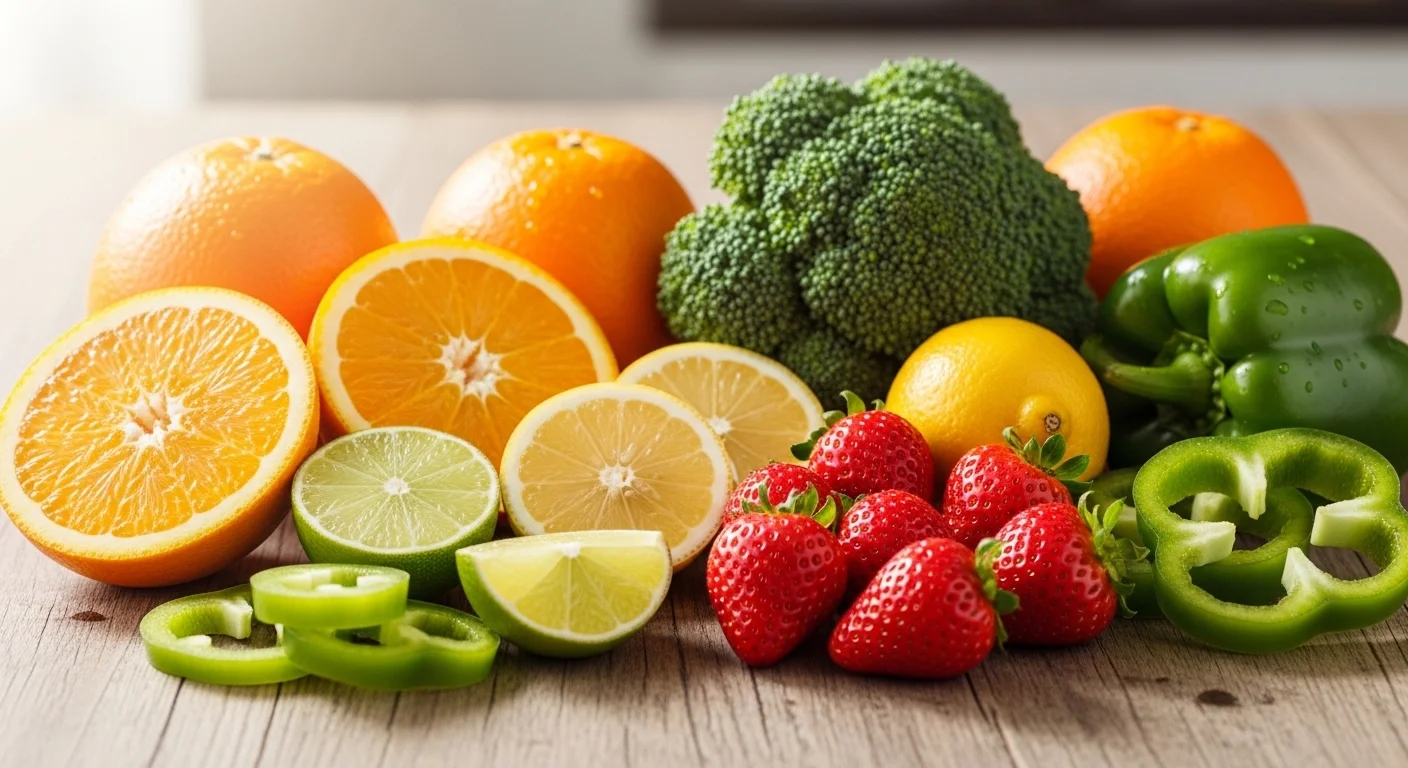
Citrus fruits remain the most famous sources. Oranges, lemons, and limes are high in vitamin C and widely available in most regions. However, many other foods provide similar or even higher amounts. Green peppers, broccoli, and other cruciferous vegetables are excellent sources. Leafy greens also contribute significant amounts of vitamin C. In addition, tomatoes, both fresh and canned, supply useful levels of the nutrient.
Small fruits also contain impressive amounts of vitamin C. Cranberries, raspberries, blueberries, and strawberries are particularly rich in this vitamin. These fruits not only taste great but also support overall health. Eating a variety of fruits and vegetables ensures that your body receives adequate vitamin C every day.
Health Benefits of Vitamin C
One reason people often search for vitamin C sources, benefits, and risks is the wide range of health advantages associated with this nutrient. Vitamin C supports several important functions in the body.
First, it strengthens the immune system. The nutrient helps the body fight infections and recover more quickly from illnesses. Many people increase their vitamin C intake during cold and flu season to support immune health.
Second, vitamin C promotes healthy skin. Because it helps produce collagen, the nutrient improves skin elasticity and supports wound healing. It also protects the skin from environmental damage, including sun exposure.
Another important benefit involves heart health. Adequate vitamin C intake may help reduce the risk of high blood pressure and support healthy blood vessels. This effect can contribute to lower risks of heart attacks and strokes.

Furthermore, vitamin C provides antioxidant protection. Antioxidants help protect cells from damage that can lead to chronic diseases. This protection supports long-term health and overall well-being.
Vitamin C and Cooking
Although many foods contain vitamin C, cooking methods can affect how much of the nutrient remains in food. Because vitamin C is sensitive to heat, it can break down during cooking.
When fruits and vegetables are boiled, the vitamins may dissolve into the cooking water. High temperatures above 70 degrees can also destroy some of the nutrients through oxidation.
For this reason, experts recommend preparing vitamin C-rich foods carefully. Steaming vegetables for a short time helps preserve more nutrients than boiling them for long periods. Eating some fruits and vegetables raw also helps maintain their vitamin C content.
Proper storage is equally important. Fruits and vegetables should be wrapped and stored carefully to protect them from air exposure and nutrient loss.
Recommended Daily Intake
Health experts recommend specific daily amounts of vitamin C to maintain good health. These guidelines help ensure that the body receives enough of the nutrient without unnecessary supplementation.
The average daily requirement for adult men is about 90 milligrams. Women typically require around 75 milligrams per day. Children under eighteen generally need about half of the adult amount, depending on age.
Doctors often suggest spreading vitamin C intake throughout the day. Taking the nutrient two or three times daily may improve absorption and maintain steady levels in the body.
Most people can easily meet these requirements by eating a balanced diet rich in fruits and vegetables.
Vitamin C for Smokers
Certain groups may require higher levels of vitamin C. Smokers represent one of the most important examples.
Smoking produces harmful chemicals that increase oxidative stress in the body. This stress reduces vitamin C levels and weakens the body’s natural defenses.
Research suggests that smoking can destroy nearly one third of the body’s daily supply of vitamin C. Because of this loss, smokers may need additional vitamin C to maintain healthy levels.
Consuming more vitamin-rich foods or supplements may help compensate for this reduction and support overall health.
Risks and Precautions
Although vitamin C is essential, excessive supplementation may not always be beneficial. Understanding vitamin C sources, benefits, and risks helps individuals make safe decisions regarding supplements.
Because vitamin C dissolves in water, the body usually removes excess amounts through urine. This process makes a vitamin C overdose very unlikely when consumed through food.
Some nutrition experts recommend higher doses in certain situations, sometimes up to 1000 milligrams per day. However, not everyone should take large amounts of vitamin C supplements.
People with certain health conditions must exercise caution. Individuals with cancer, kidney disease, Thalassemia, or Hemochromatosis should consult a doctor before taking supplements. High doses may cause complications for these groups.
Children should also avoid high-dose supplements unless recommended by a healthcare professional.
Conclusion
Vitamin C remains one of the most important nutrients for maintaining good health. From preventing scurvy centuries ago to supporting modern immune systems, this vitamin continues to play a vital role in human nutrition.
Learning about vitamin C sources, benefits, and risks allows individuals to make informed dietary choices. By eating a variety of fruits and vegetables, most people can easily obtain enough vitamin C through natural sources.
While supplements may help in certain situations, a balanced diet usually provides everything the body needs. With proper intake, vitamin C can support immunity, skin health, heart function, and overall well-being for years to come.
